
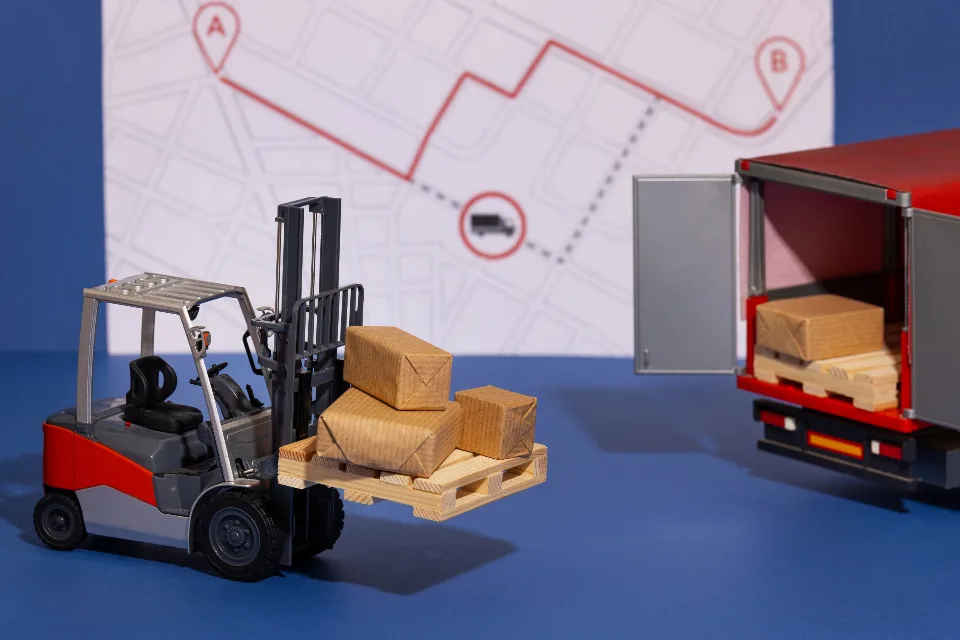
Disasters do not only threaten lives and infrastructure. They can also disrupt the supply chains that keep communities functioning. From damaged roads and ports to interrupted power and transportation networks, emergencies can delay the delivery of food, fuel, medicine, and other essential goods when demand is at its highest.
In the Philippines, where typhoons, floods, earthquakes, and volcanic activity regularly threaten communities, supply chain disruptions can complicate relief operations and delay recovery. Even when emergency supplies are available, damaged infrastructure, limited transportation, and poor coordination can prevent them from reaching affected areas on time.
The Department of Social Welfare and Development (DSWD) has emphasized this approach through its strategic prepositioning of relief goods and interconnected logistics network. In June 2026, following a magnitude 7.8 earthquake in Southern Mindanao, the agency cited its stockpiles of 4.8 million family food packs, regional resource sharing, and coordination with the Philippine Air Force and Philippine Coast Guard as key factors in delivering assistance to affected communities.
This highlights an important lesson: disaster preparedness must go beyond storing supplies. Governments need to know what resources are available, where they are located, how quickly they can be deployed, and which routes remain accessible when conventional transportation networks are disrupted.
For local governments and disaster response agencies, real-time visibility into supplies, infrastructure conditions, transportation routes, and field requirements can make a critical difference. AI-powered operational intelligence platforms such as CrisisOps can help consolidate this information, strengthen logistics coordination, and support faster, better-informed decisions.
Resilient supply chains are essential to resilient communities. When disasters disrupt normal operations, preparedness must ensure that critical resources can still move where they are needed most.
Topics
Share this story
About CrisisOps
CrisisOps is a Physical AI platform for climate resilience, helping governments, communities, critical infrastructure operators and organizations understand changing physical conditions and act with confidence.
Media inquiries: media@crisisops.ai
Related stories
All stories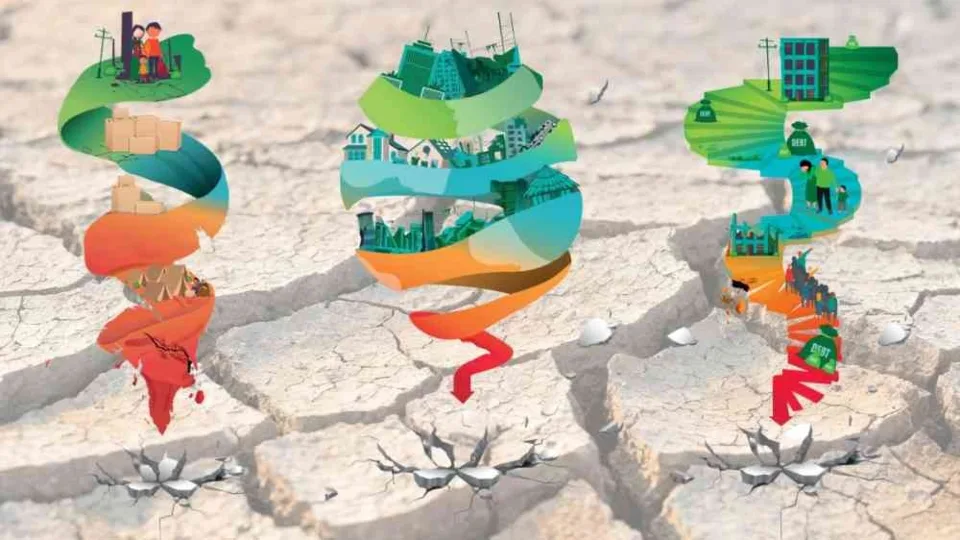
Research & Insights
What Makes a Disaster Response System Operational?
Exploring how connected information, shared situational awareness, and coordinated workflows help turn disaster data into actionable decisions.
2 min read
Operational Intelligence
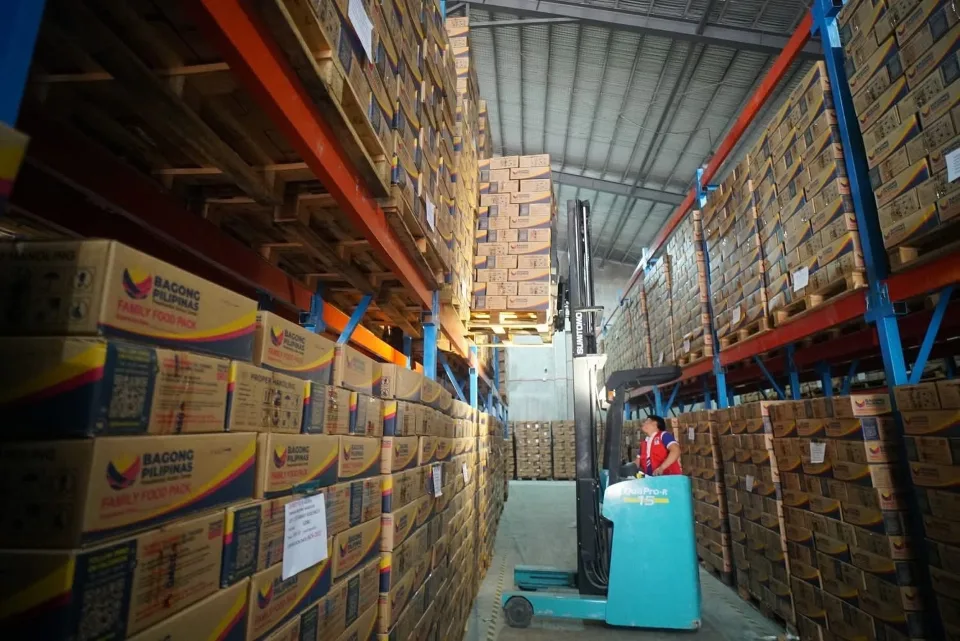
Why countries are stockpiling essential resources amid rising global tensions
Rising geopolitical tensions and vulnerabilities in global supply chains are prompting countries to strengthen strategic reserves of fuel, food, medical supplies, and critical minerals.
2 min read
Press Release
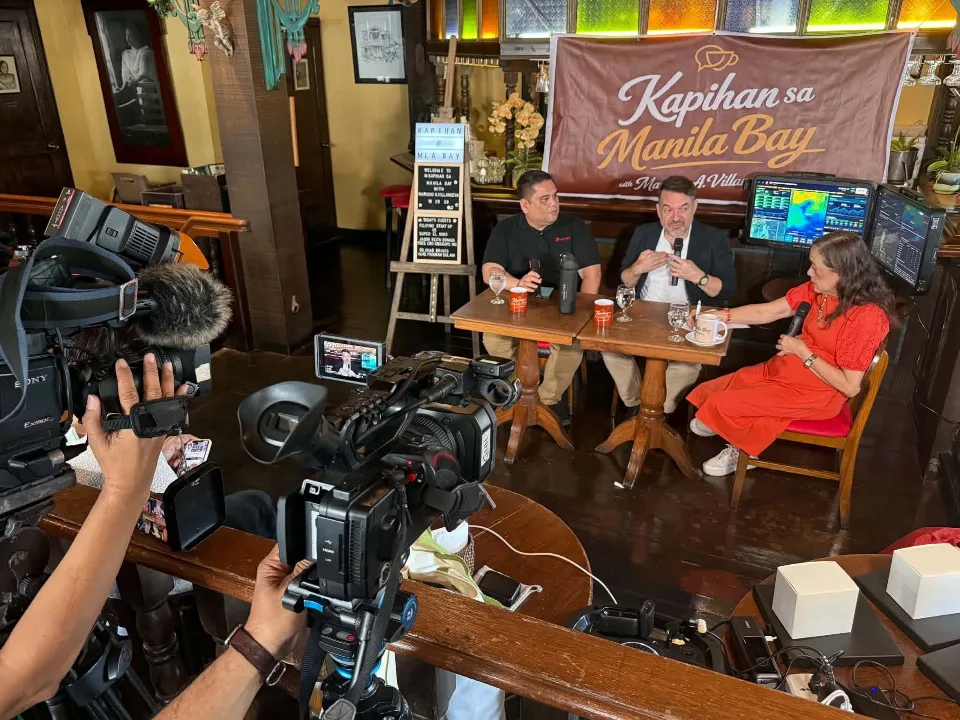
How Physical AI Is Helping Philippine LGUs Allocate Lifelines Before Super El Niño Hits
At Kapihan sa Manila Bay, CrisisOps and AIM leaders presented an operational roadmap using Physical AI and Operational Intelligence Networks to help Philippine LGUs navigate the 2026–2027 Super El Niño. Currently deployed across 40 LGUs and two national agencies, the technology bridges climate forecasts with real-time field data to prioritize critical water and energy distribution, mitigate infras
2 min read