
How Physical AI Is Helping Philippine LGUs Allocate Lifelines Before Super El Niño Hits
At Kapihan sa Manila Bay with Marichu Villanueva, CrisisOps and AIM disaster experts demonstrate how operational intelligence transforms passive climate warnings into fast, data-backed water and energy relief.

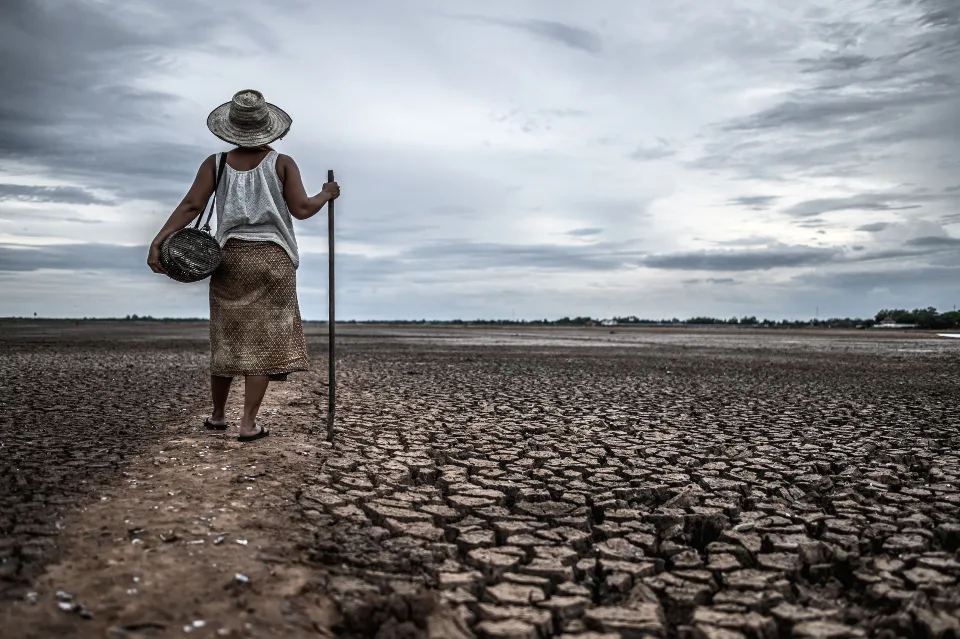
As climate scientists sound the alarm on strong to very strong Super El Niño conditions stretching across the Pacific through mid-2027, emergency managers and infrastructure leaders face a familiar hurdle: turning macro-level weather warnings into precise local action. At the Kapihan sa Manila Bay by Marichu Villanueva press forum hosted at Café Adriatico in Manila, disaster resilience experts gathered to detail how physical artificial intelligence and operational intelligence networks are reshaping resource allocation ahead of impending climate disruptions.

Featured speakers Jason Keith V. Boñaga, Co-Founder and Chief Resilience Officer of CrisisOps, and Dr. Chad Michael Briggs, Academic Program Director for the Executive Master in Disaster Risk and Crisis Management at the Asian Institute of Management, provided an operational roadmap for public officials navigating resource scarcity.
Weather forecasts from official agencies provide crucial lead time, but raw forecasts do not specify which water tanker should go to which neighborhood first. During the briefing, the speakers highlighted a common municipal dilemma during prolonged droughts: several communities request emergency water deliveries simultaneously, but local authorities only possess a handful of operational utility tankers. Resource prioritization requires officials to balance severity, population exposure, alternative infrastructure, and the cascading consequences of delay.
Through CrisisOps’ Project PRIORITY, data streams—including climate updates, health facility risks, vehicle travel times, and real-time field reports—are integrated into a single decision-support interface so city administrators can establish transparent, data-backed delivery routes rather than reacting solely to inbound complaints.
CrisisOps is pioneering Physical AI for Climate Resilience, a framework that bridges software analytics with on-the-ground operational hardware. Their suite includes CrisisOps Command for central coordination, Operational Intelligence Networks to evaluate localized risk and propose workflows, and CrisisOps Edge hardware prototypes that process real-time telemetry from weather instruments, water sensors, and cameras directly near field sites. Supported by the Harvard Innovation Labs Climate Circle and the NVIDIA Inception Program, CrisisOps is currently deploying its technology across forty local government unit pilots and two national government agency pilots in the Philippines.

Dr. Chad Michael Briggs emphasized that adopting operational intelligence is a cultural and organizational shift, noting that disaster intelligence is ultimately about anticipating multi-system collapses. When El Niño strikes, water scarcity quickly cascades into energy grid strain and public health vulnerabilities. Integrating real-time field telemetry with clear operating procedures ensures decisions are made before critical thresholds are breached. By maintaining a shared dashboard before, during, and after a crisis, local leadership can track asset movement, continuously evaluate unmet needs, and log delivery metrics for full public accountability.
Topics
Share this story
About CrisisOps
CrisisOps is a Physical AI platform for climate resilience, helping governments, communities, critical infrastructure operators and organizations understand changing physical conditions and act with confidence.
Media inquiries: media@crisisops.ai
Related stories
All stories
Research & Insights
What Makes a Disaster Response System Operational?
Exploring how connected information, shared situational awareness, and coordinated workflows help turn disaster data into actionable decisions.
2 min read
Operational Intelligence
El Niño Risks Rise When Disaster Information Falls Short
Discover how operational intelligence helps connect fragmented data, improve coordination, and strengthen El Niño preparedness.
1 min read
Company News
CrisisOps expands its technology network through NVIDIA Inception
Through the NVIDIA Inception Program, CrisisOps expands its connection to the global technology ecosystem as it continues to develop its AI-powered Operational Intelligence Platform for disaster preparedness, emergency response, and data-driven decision-making.
1 min read