
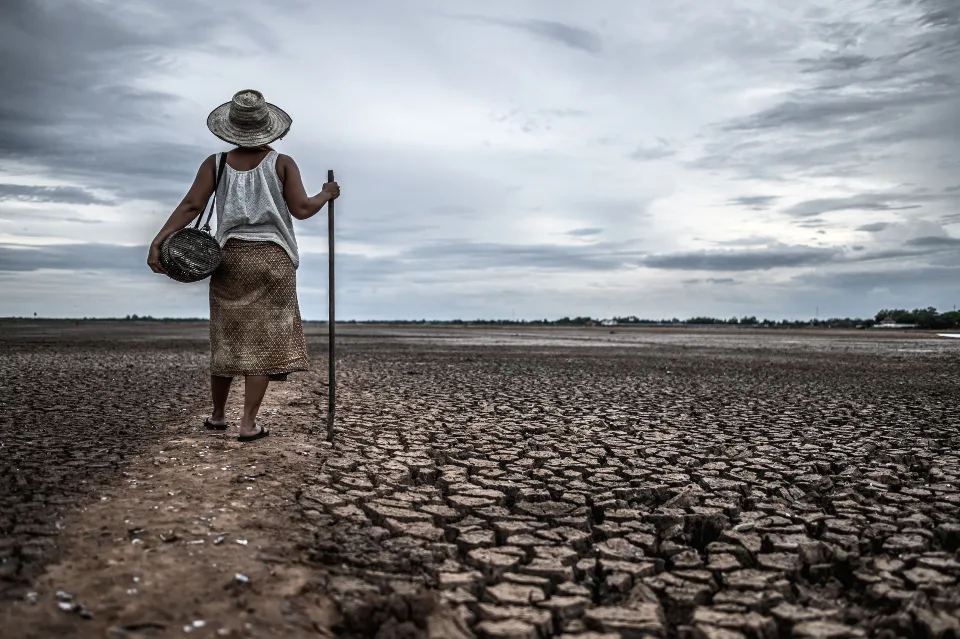
The Philippines faces growing climate risks as El Niño strengthens across the tropical Pacific, raising concerns over dry spells, water availability, agricultural production, and extreme heat. As authorities prepare for potentially prolonged impacts, the challenge is not simply obtaining forecasts but translating them into coordinated decisions on the ground.
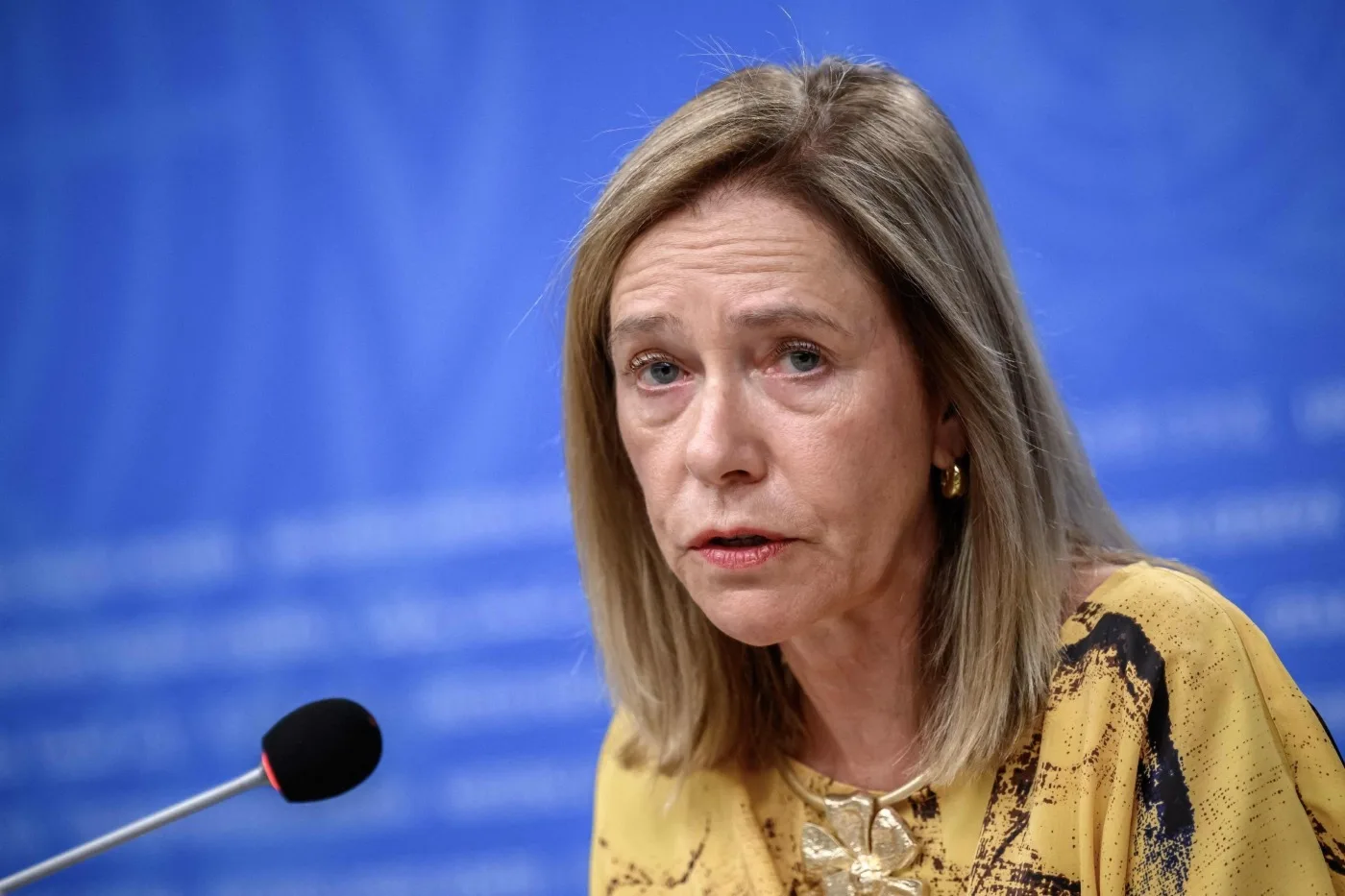
The World Meteorological Organization (WMO), in its October 8, 2026, update, projected that the Niño 3.4 sea-surface temperature anomaly could reach approximately +3.7°C above normal during October–December, potentially exceeding previous records. WMO Secretary-General Celeste Saulo warned that the event is strengthening rapidly and could persist through February 2027.
In the Philippines, PAGASA's October 7 advisory identified a strong to very strong El Niño, which could continue into the first half of 2027. However, the agency cautioned that below-normal rainfall and drought risks will vary across the country.
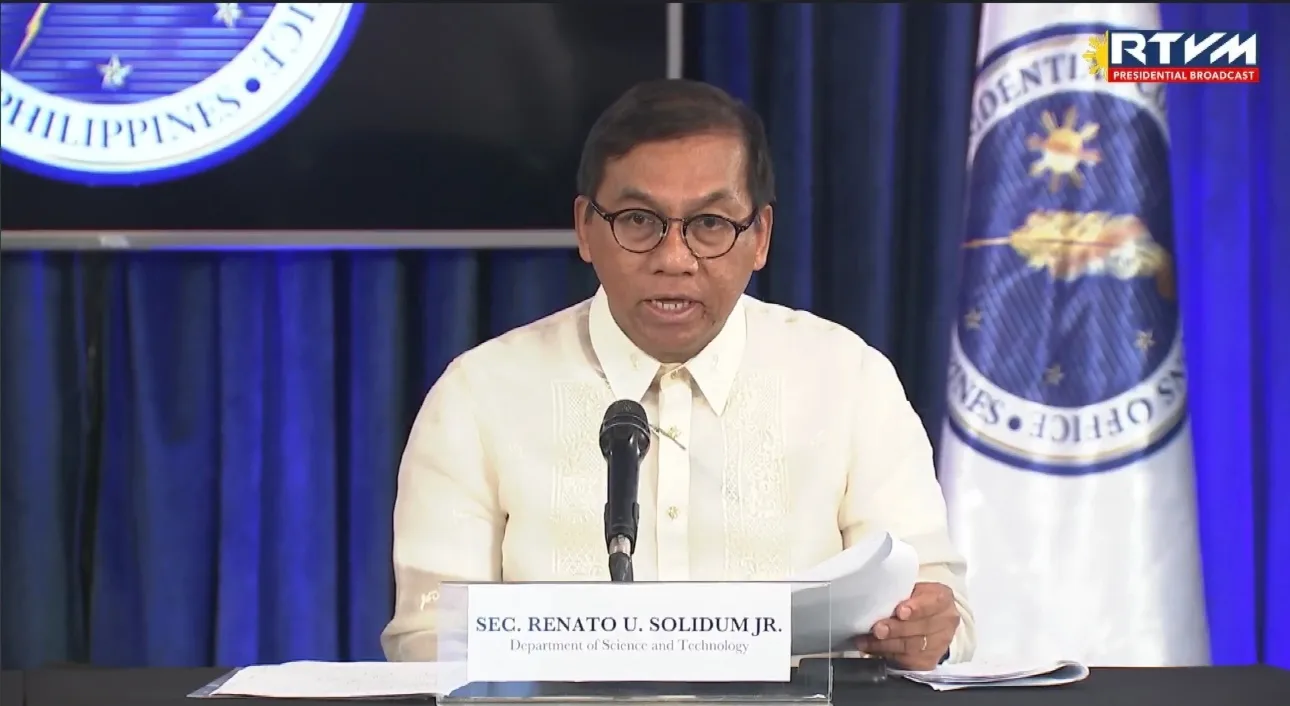
DOST Secretary Renato Solidum reinforced this distinction in an October 5 government briefing, explaining that El Niño's effects depend on the rainfall each area receives. President Ferdinand Marcos Jr. also directed government agencies to intensify public information efforts and ensure Filipinos receive accurate, timely, science-based updates.
These warnings highlight a critical operational challenge: information must move beyond forecasts and reach the agencies responsible for water management, agriculture, public health, and emergency response. When reports remain scattered across separate systems, authorities may struggle to identify vulnerable communities, assess resource shortages, and prioritize assistance.
Operational intelligence helps bridge this gap by connecting risk assessments, geographic information, field reports, and resource availability in a shared operational picture. Platforms such as CrisisOps support this approach by helping response teams consolidate information, monitor emerging situations, and coordinate decisions across agencies.
As El Niño develops, the ability to connect information with action will be essential. Accurate forecasts provide the warning, but effective coordination helps determine how quickly communities can prepare and respond.
Topics
Share this story
About CrisisOps
CrisisOps is a Physical AI platform for climate resilience, helping governments, communities, critical infrastructure operators and organizations understand changing physical conditions and act with confidence.
Media inquiries: media@crisisops.ai
Related stories
All stories
Research & Insights
What Makes a Disaster Response System Operational?
Exploring how connected information, shared situational awareness, and coordinated workflows help turn disaster data into actionable decisions.
2 min read
Events
CrisisOps and Asian Institute of Management advance AI-driven disaster resilience
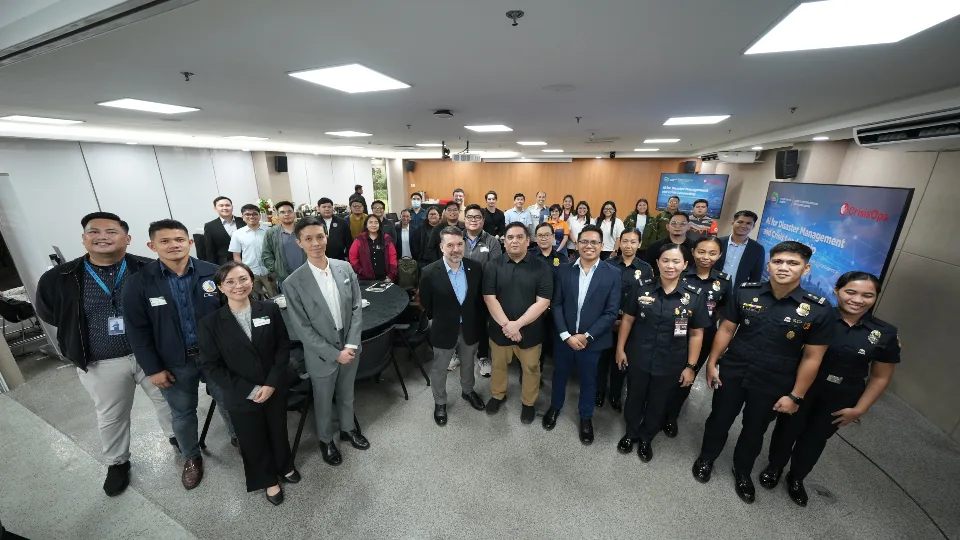
CrisisOps and AIM convened 75 disaster and crisis management stakeholders to explore AI and Operational Intelligence. The workshop focused on strengthening situational awareness, coordination, and crisis decision-making.
3 min read

Company News
CrisisOps takes climate technology to Harvard Innovation Labs
CrisisOps has been selected for the 2026–27 Harvard Climate Entrepreneurs Circle, expanding its engagement in global climate innovation. The program will support the venture’s work in disaster management, climate adaptation, and resilience.
3 min read