
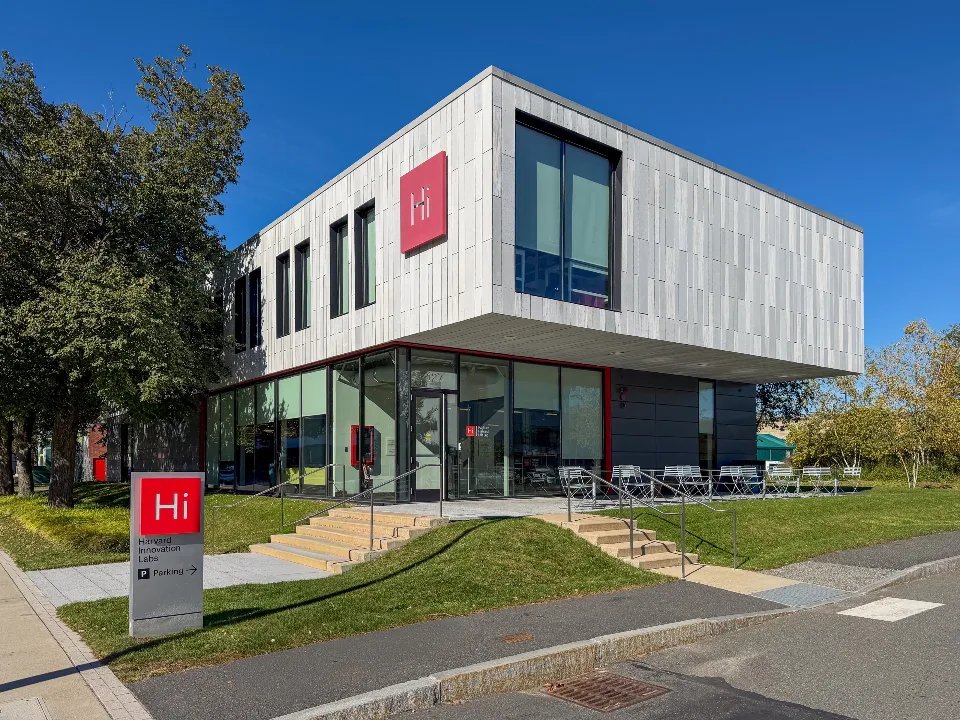
Climate technology venture CrisisOps has been selected for the 2026–27 Harvard Climate Entrepreneurs Circle, bringing its work in disaster response, operational intelligence, and climate resilience into one of Harvard University’s dedicated entrepreneurship and innovation programs.
The Climate Entrepreneurs Circle is a selective accelerator for climate ventures affiliated with Harvard. Beginning with the 2026–27 cycle, the program includes a new resilience-focused track and supports ventures working across climate mitigation, adaptation, and resilience. The program runs from September 2026 through May 2027, culminating in Harvard’s President’s Innovation Challenge award ceremony.
Through the program, CrisisOps will have access to venture-building support, Harvard Innovation Labs advisers, climate-focused connections, workshops, legal resources, specialists, investors, and a network of founders working on climate solutions around the world. The Climate Circle includes ventures addressing challenges ranging from coastal resilience and energy to climate adaptation and infrastructure.
CrisisOps is led by Co-Founder and CEO Gil Orense and Co-Founder and Chief Resilience Officer Jason Keith Boñaga, with the company developing technology for governments and communities preparing for and responding to disasters. Its platform uses operational intelligence, real-time information, and coordinated response workflows to bring fragmented crisis information into a unified operating picture for emergency decision-making.
The company’s participation places disaster management within a broader climate resilience conversation, particularly as communities face increasingly interconnected risks from typhoons, flooding, earthquakes, and other hazards.
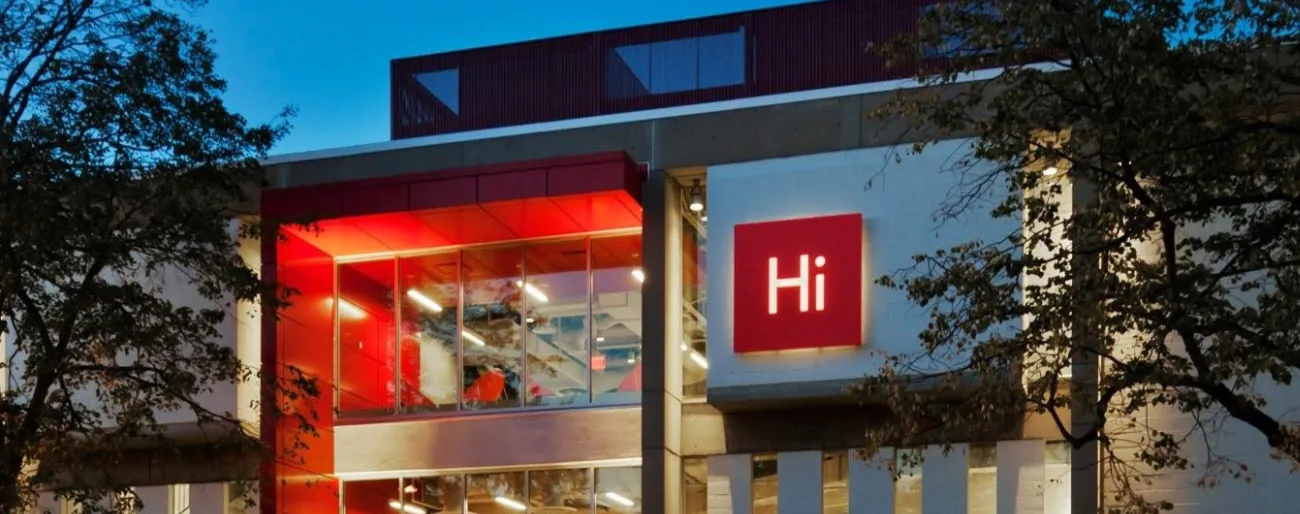
The Climate Entrepreneurs Circle is part of the wider Harvard Innovation Labs, Harvard University’s hub for innovation and entrepreneurship across its 13 schools.
Harvard Innovation Labs traces its beginnings to the launch of the Harvard Innovation Lab, or i-lab, in November 2011. Since then, the organization has expanded its programs and ecosystem to support students, alumni, and Harvard affiliates developing ventures across technology, healthcare, climate, sustainability, business, and other fields.
Today, the Harvard Innovation Labs ecosystem includes the Student i-lab, Alumni Launch Lab, Pagliuca Harvard Life Lab, and climate entrepreneurship programs. Since its founding, the organization says it has supported more than 7,000 ventures, whose founders have collectively raised more than $15 billion. The Student i-lab alone served more than 3,000 members during the 2025–26 academic year.
The organization is based in Allston, Massachusetts, within Harvard’s broader Cambridge–Boston academic and innovation ecosystem. Its programs connect entrepreneurs with mentors, industry experts, advisers, investors, and fellow founders from across Harvard and beyond.
The i-lab has also supported ventures that have gone on to gain international recognition. Harvard Innovation Labs noted that at least nine ventures with i-lab roots have been named to TIME’s Best Inventions list over the past seven years, including WHOOP, whose founder Will Ahmed developed early prototypes at the i-lab during its first year.
In August 2026, Harvard Innovation Labs was named by TIME and Statista as one of America’s Best Incubators & Accelerators for 2026. The recognition cited its record of supporting more than 7,000 ventures and the collective funding raised by founders in its community.
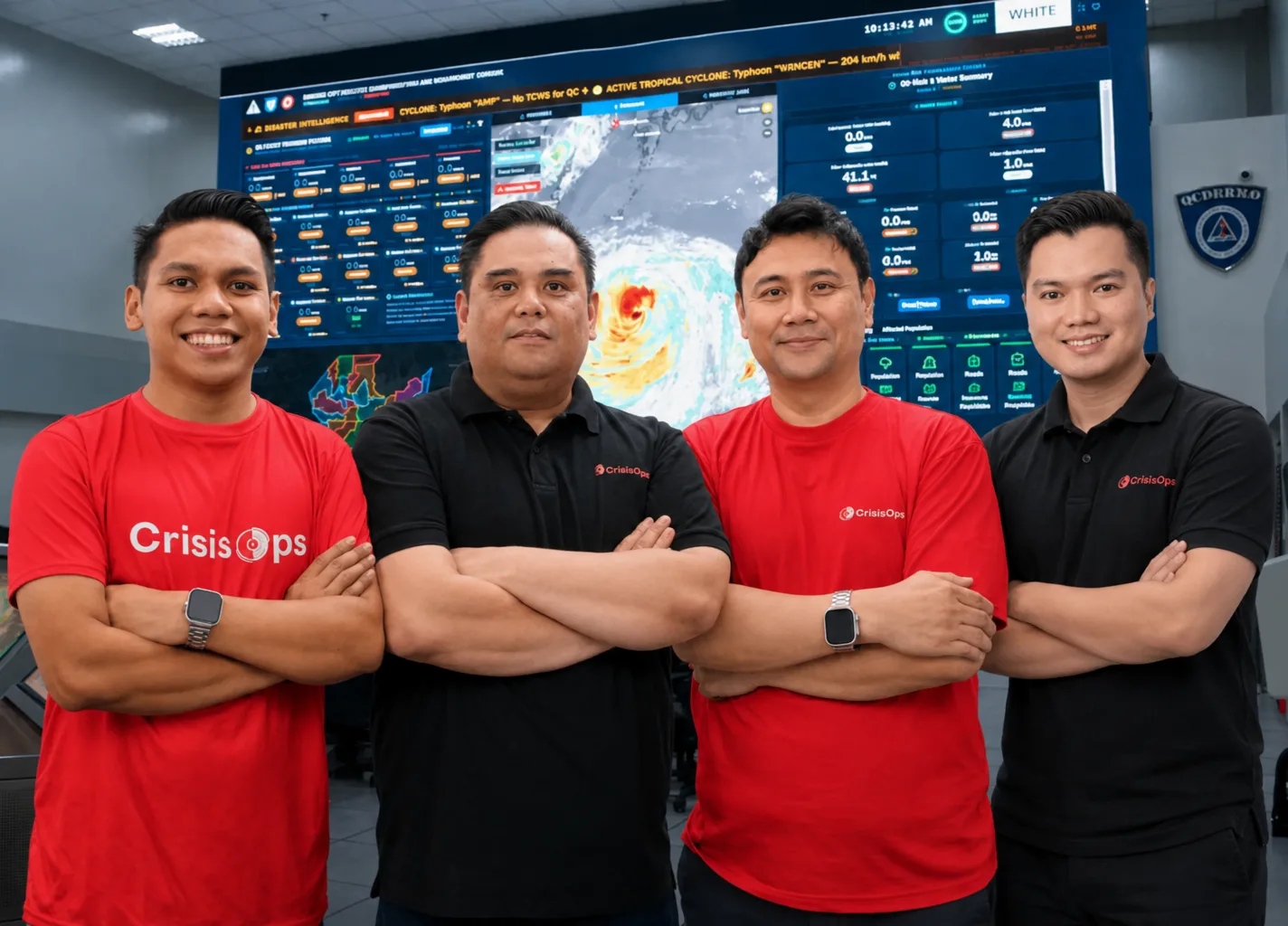
For CrisisOps, participation in the Climate Entrepreneurs Circle provides an opportunity to bring experience from the Philippines, one of the countries highly exposed to natural hazards, into a broader international discussion on climate adaptation and resilience.
The venture’s work focuses on the operational side of resilience—helping organizations move from fragmented information toward a clearer, more coordinated understanding of unfolding emergencies.
Through its participation in the 2026–27 Climate Entrepreneurs Circle, CrisisOps will engage with Harvard-affiliated founders, climate innovators, advisers, and industry leaders while continuing to develop technology focused on disaster preparedness, response, and climate resilience.
The selection also reflects the growing intersection between climate technology and disaster management, where stronger information systems, coordinated decision-making, and operational readiness can support communities facing complex and evolving risks.
Read the full announcement by Harvard Climate Circle here: http://innovationlabs.harvard.edu/.../announcing-the-2026 (opens in a new tab)... (opens in a new tab)
#CrisisOps (opens in a new tab) #HarvardInnovationLabs (opens in a new tab) #ClimateCircle (opens in a new tab) #ClimateInnovation (opens in a new tab) #ClimateResilience (opens in a new tab) #DisasterResilience (opens in a new tab) #DisasterManagement (opens in a new tab) #OperationalIntelligence (opens in a new tab) #PhilippineInnovation (opens in a new tab) #ClimateAdaptation (opens in a new tab)
Topics
Share this story
About CrisisOps
CrisisOps is a Physical AI platform for climate resilience, helping governments, communities, critical infrastructure operators and organizations understand changing physical conditions and act with confidence.
Media inquiries: media@crisisops.ai
Related stories
All stories
Events
CrisisOps advances Operational Intelligence vision for stronger Philippine civil defense
CrisisOps presented Operational Intelligence as a framework for turning critical disaster information into coordinated action and stronger resilience.
2 min read
Events
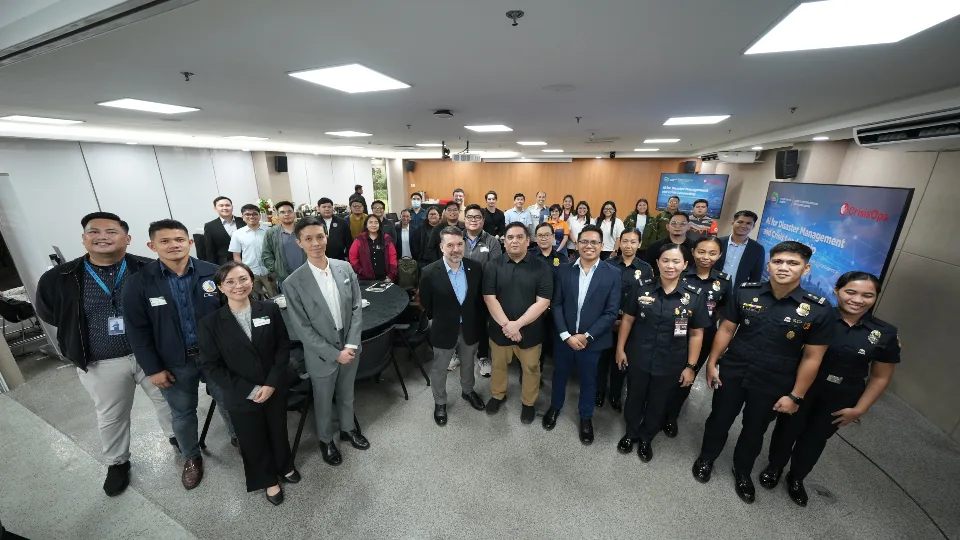
CrisisOps and Asian Institute of Management advance AI-driven disaster resilience
CrisisOps and AIM convened 75 disaster and crisis management stakeholders to explore AI and Operational Intelligence. The workshop focused on strengthening situational awareness, coordination, and crisis decision-making.
3 min read

Research & Insights
What Makes a Disaster Response System Operational?
Exploring how connected information, shared situational awareness, and coordinated workflows help turn disaster data into actionable decisions.
2 min read