
During a disaster, information comes from multiple sources, including emergency hotlines, field responders, weather monitoring systems, local government units, and community reports. However, collecting information does not automatically translate into effective response. The real challenge is ensuring that critical updates are verified, connected, and delivered to decision-makers who can act on them.
The scale of global disaster risk highlights why this distinction matters. According to the United Nations Office for Disaster Risk Reduction (UNDRR) and the World Meteorological Organization (WMO), the Global Status of Multi-Hazard Early Warning Systems 2025 reported that 119 countries, or 60% worldwide, had multi-hazard early warning systems. Yet the report found that disaster-related mortality was nearly six times lower in countries with more comprehensive warning capabilities than in those with limited systems (UNDRR and WMO, 2025). This underscores the importance of building systems that connect risk information with preparedness and response capabilities, rather than treating warnings as an end in themselves.
An operational disaster response system goes beyond recording incidents or displaying data on dashboards. It helps organizations establish a common operating picture, identify emerging priorities, monitor available resources, assign responsibilities, and track response activities. As highlighted in emergency management discussions on LinkedIn, including ALERTSim’s discussion of maintaining a common operating picture and Critical Response Group’s work on pre-incident planning and interoperability, effective coordination depends on shared information and systems that enable different teams to work together (ALERTSim, 2025; Critical Response Group, 2025).
The importance of reliable information also extends to long-term disaster risk reduction. In its Global Assessment Report 2025, UNDRR estimated that the full economic cost of disasters, including cascading effects and indirect losses, exceeds US$2.3 trillion annually—far above traditional estimates of direct losses alone (UNDRR, 2025). For local governments and emergency management organizations, this reinforces the need to connect risk assessment, resource planning, incident management, and response coordination within established operational workflows.
Ultimately, a disaster response system becomes operational when information leads to decisions, responsibilities are clear, and actions can be coordinated and monitored. Technology is an important enabler, but its value depends on reliable data, trained personnel, and procedures that translate information into action. CrisisOps supports this approach by bringing incidents, risks, field reports, teams, and operational workflows into one platform, helping organizations strengthen situational awareness and coordinate disaster readiness and response.
Topics
Share this story
About CrisisOps
CrisisOps is a Physical AI platform for climate resilience, helping governments, communities, critical infrastructure operators and organizations understand changing physical conditions and act with confidence.
Media inquiries: media@crisisops.ai
Related stories
All stories
Operational Intelligence
El Niño Risks Rise When Disaster Information Falls Short
Discover how operational intelligence helps connect fragmented data, improve coordination, and strengthen El Niño preparedness.
1 min read
Events
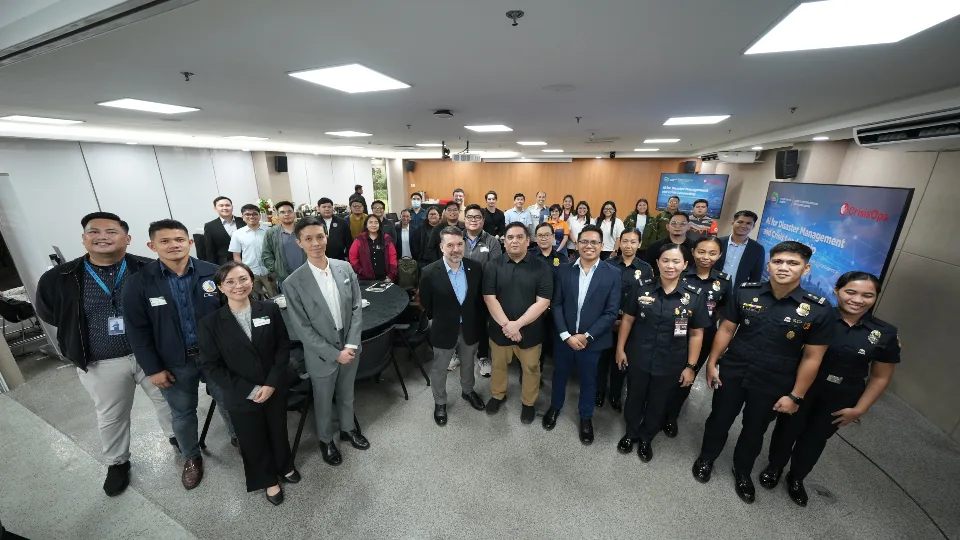
CrisisOps and Asian Institute of Management advance AI-driven disaster resilience
CrisisOps and AIM convened 75 disaster and crisis management stakeholders to explore AI and Operational Intelligence. The workshop focused on strengthening situational awareness, coordination, and crisis decision-making.
3 min read

Company News
CrisisOps takes climate technology to Harvard Innovation Labs
CrisisOps has been selected for the 2026–27 Harvard Climate Entrepreneurs Circle, expanding its engagement in global climate innovation. The program will support the venture’s work in disaster management, climate adaptation, and resilience.
3 min read