
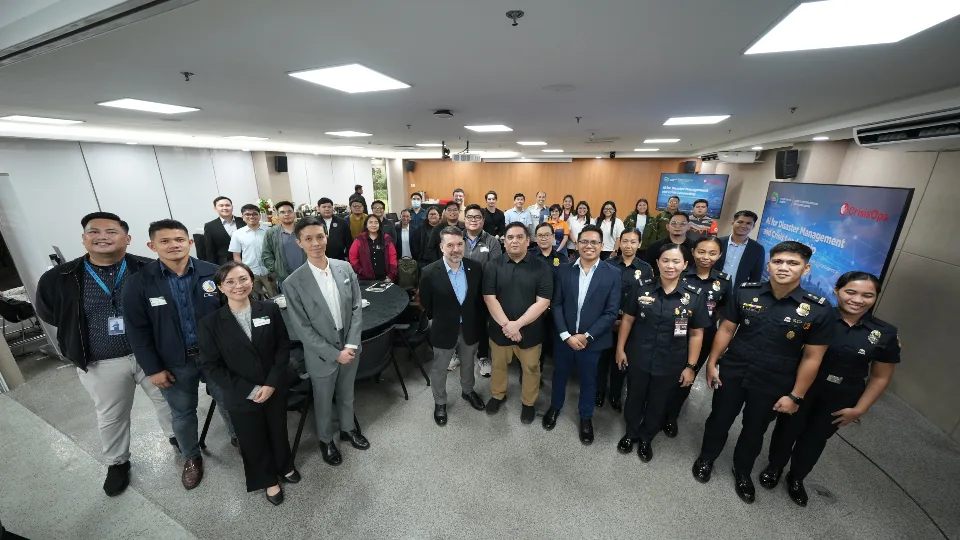
CrisisOps, in collaboration with the Asian Institute of Management’s Dado Banatao Incubator (AIM-DBI) and School of Executive Education and Lifelong Learning (AIM-SEELL), conducted the “AI for Disaster Management and Crisis Leadership: An Executive Education Workshop on Operational Intelligence” on August 25, 2026, at the AIM Campus in Makati City.
The half-day executive education workshop brought together 75 participants representing national government agencies, local government units, emergency response organizations, academic institutions, and the private sector, fostering cross-sector discussions on how Artificial Intelligence (AI) and Operational Intelligence can strengthen disaster preparedness, situational awareness, coordination, and crisis decision-making.
Among the participating government agencies were the Bureau of Fire Protection (BFP), Civil Aviation Authority of the Philippines (CAAP), Civil Service Commission–National Capital Region (CSC-NCR), Department of Energy (DOE), Department of Information and Communications Technology (DICT), Governance Commission for GOCCs (GCG), National Security Council (NSC), National Water Resources Board (NWRB), Office of Civil Defense (OCD), Philippine Center for Postharvest Development and Mechanization (PHilMech), Philippine Fiber Industry Development Authority (PhilFIDA), and the Civil-Military Operations School of the Philippine Army.
The workshop also featured representatives from local governments including Quezon City, Batangas City, San Fernando City, Municipality of Lopez, Province of La Union, and Province of Bataan, reflecting the importance of cross-sector and intergovernmental collaboration in strengthening disaster and crisis management capabilities.
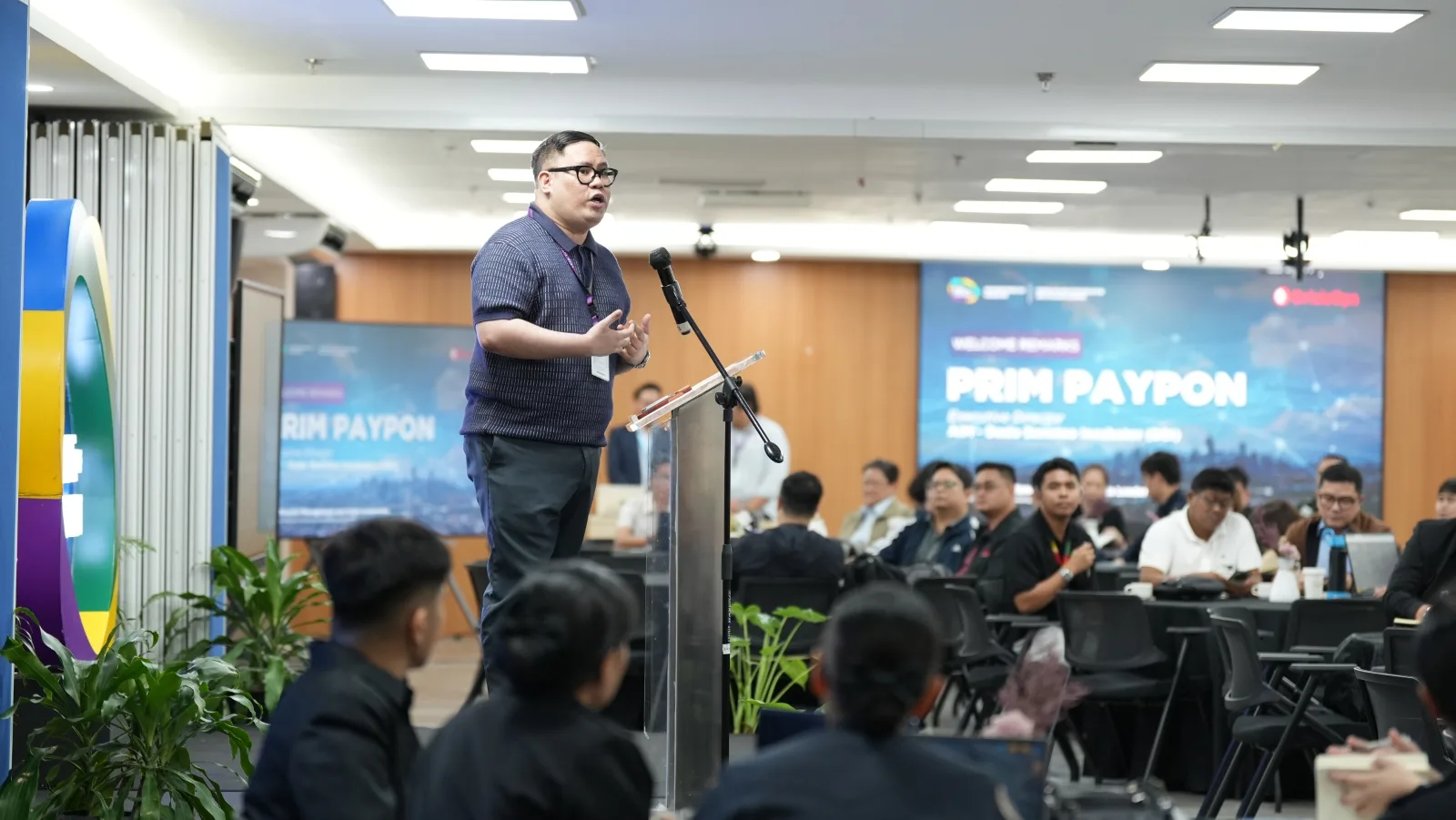
The program opened with remarks from Prim Paypon, Executive Director of the AIM-DBI, followed by a presentation highlighting AIM’s academic programs, institutional capabilities, and initiatives in executive education, innovation, and leadership development, led by Vinie Alfonso, Student Recruitment Senior Supervisor of AIM’s Marketing and Recruitment Group.
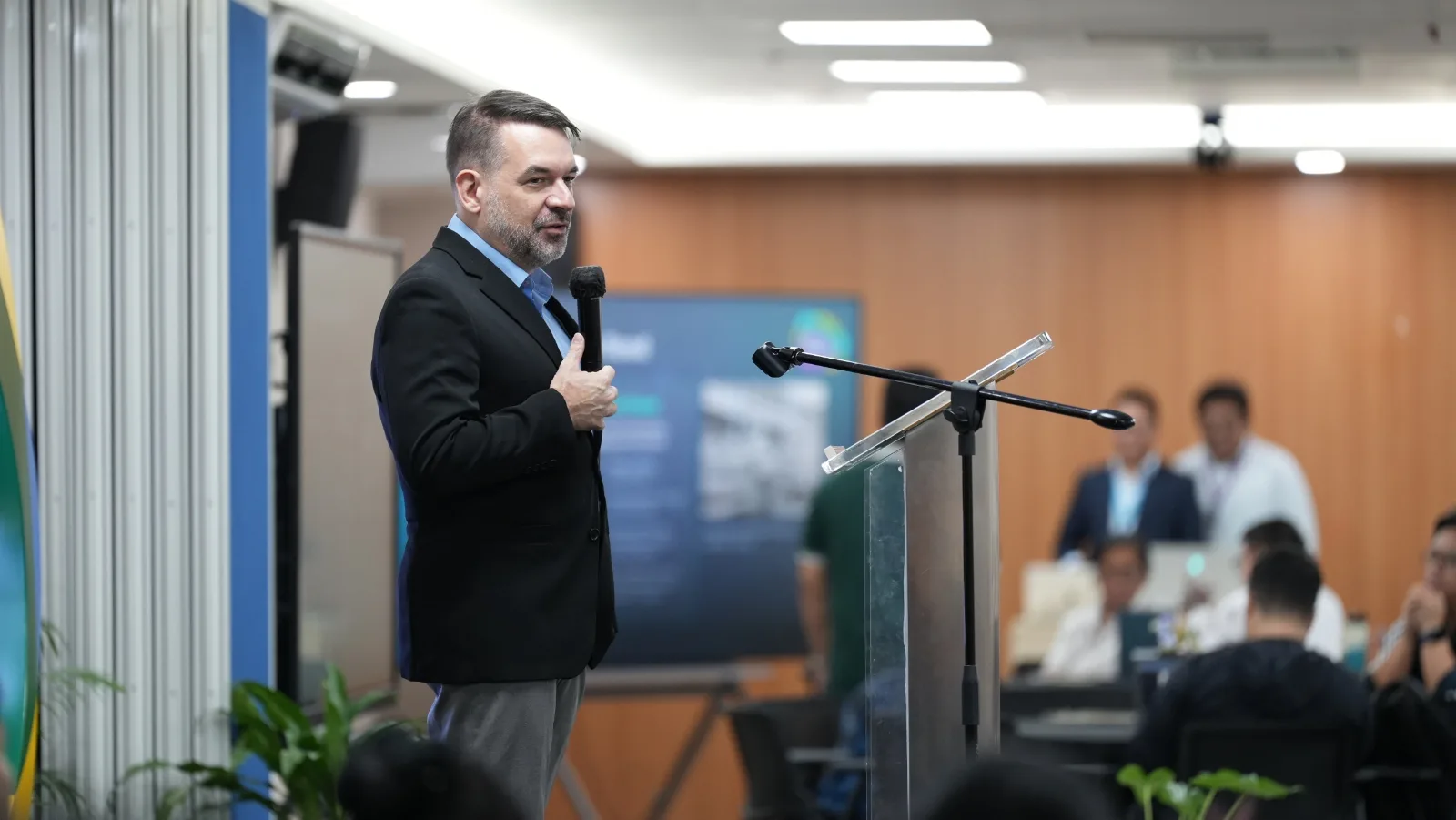
The opening lecture, “The Future of Disaster Intelligence and AI-enabled Resilience,” was delivered by Prof. Chad Michael Briggs, PhD, Academic Program Director of the Executive Master in Disaster Risk and Crisis Management at the AIM Stephen Zuellig Graduate School of Development Management.
The session examined how emerging technologies and evolving approaches to disaster intelligence can support organizations as they navigate increasingly complex and interconnected risks.
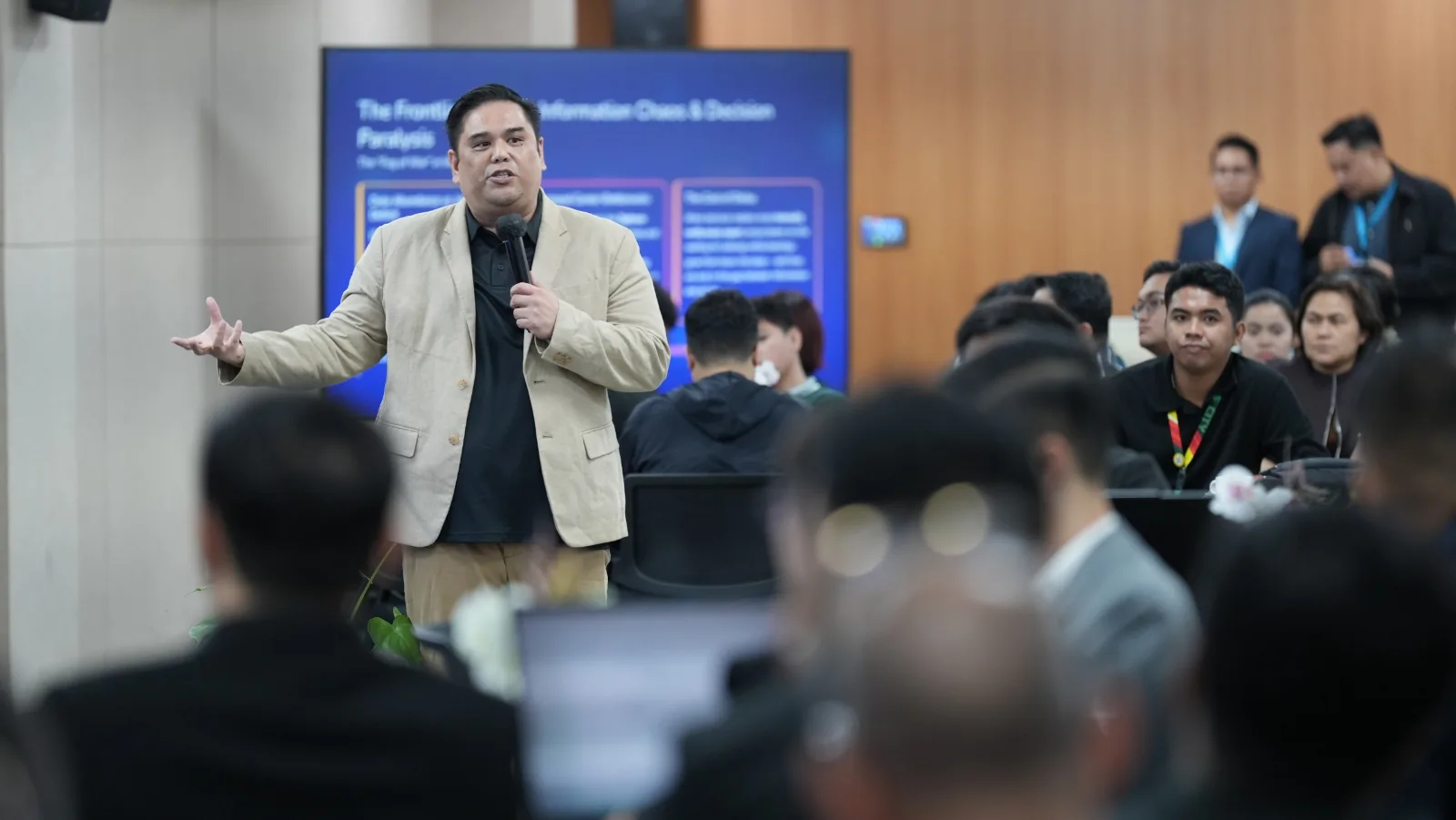
CrisisOps Co-Founder and CEO Jason Keith Boñaga, MBA, EMDRCM, then discussed “Disaster Risk Reduction, Crisis Leadership, and the Role of Technology,” highlighting the role of technology in supporting preparedness, crisis leadership, and informed decision-making.
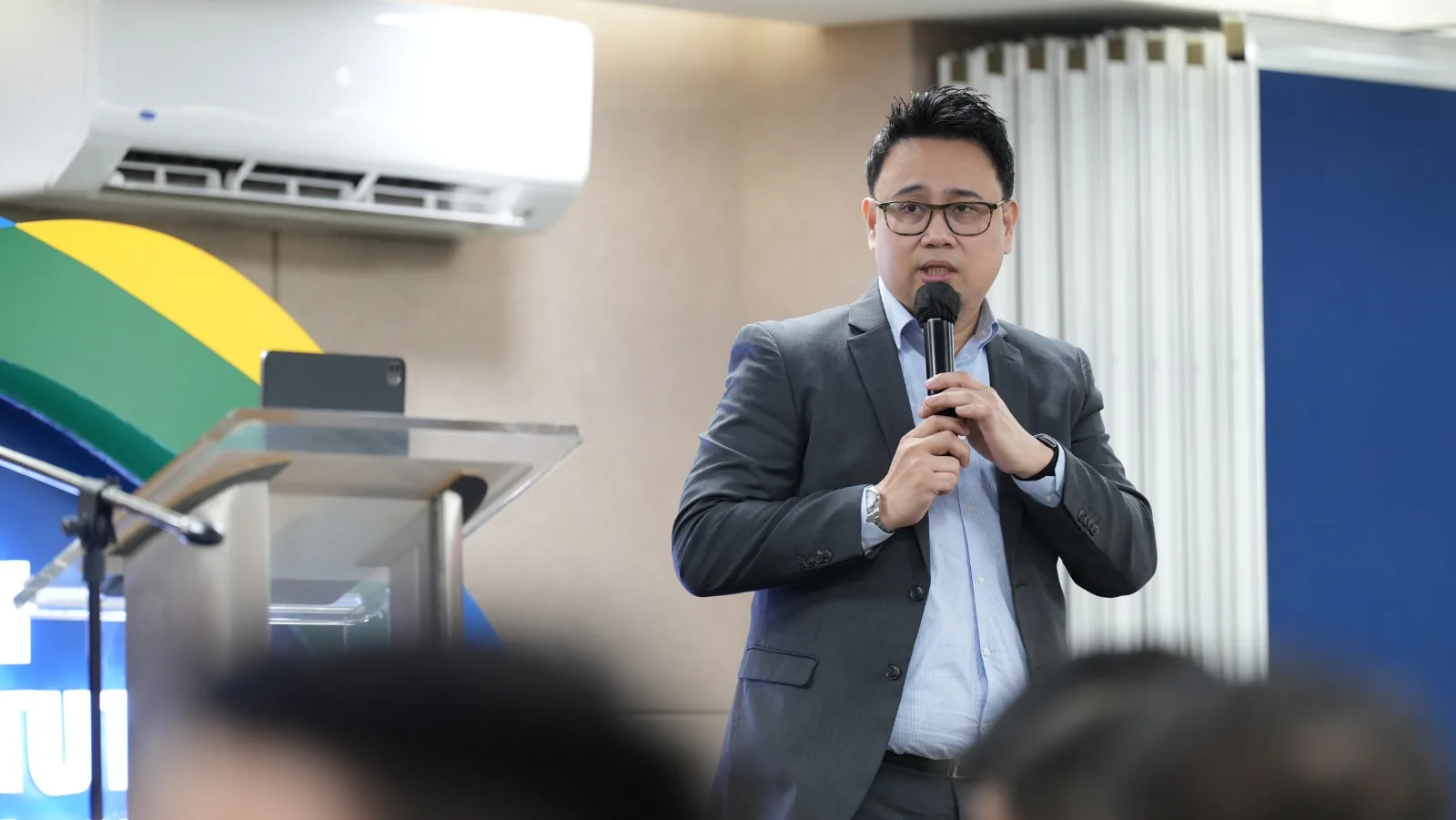
CrisisOps Founder and Chief Strategy Officer Gil Orense, MPM, MBA, followed with “Operational Intelligence Networks: From Fragmented Data to Decision Advantage,” exploring how organizations can connect disparate information sources and transform them into operational insights that support timely decisions.
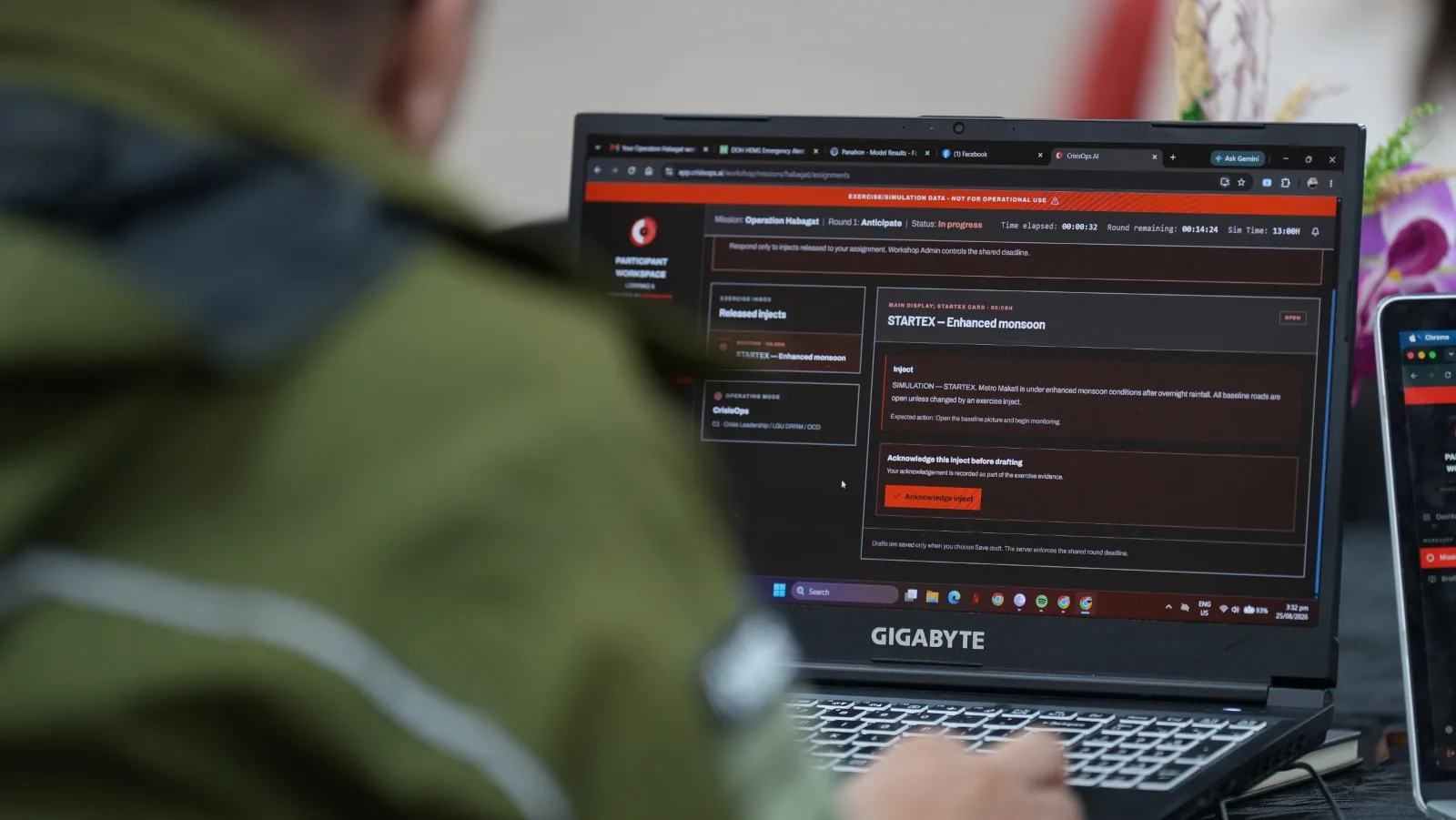
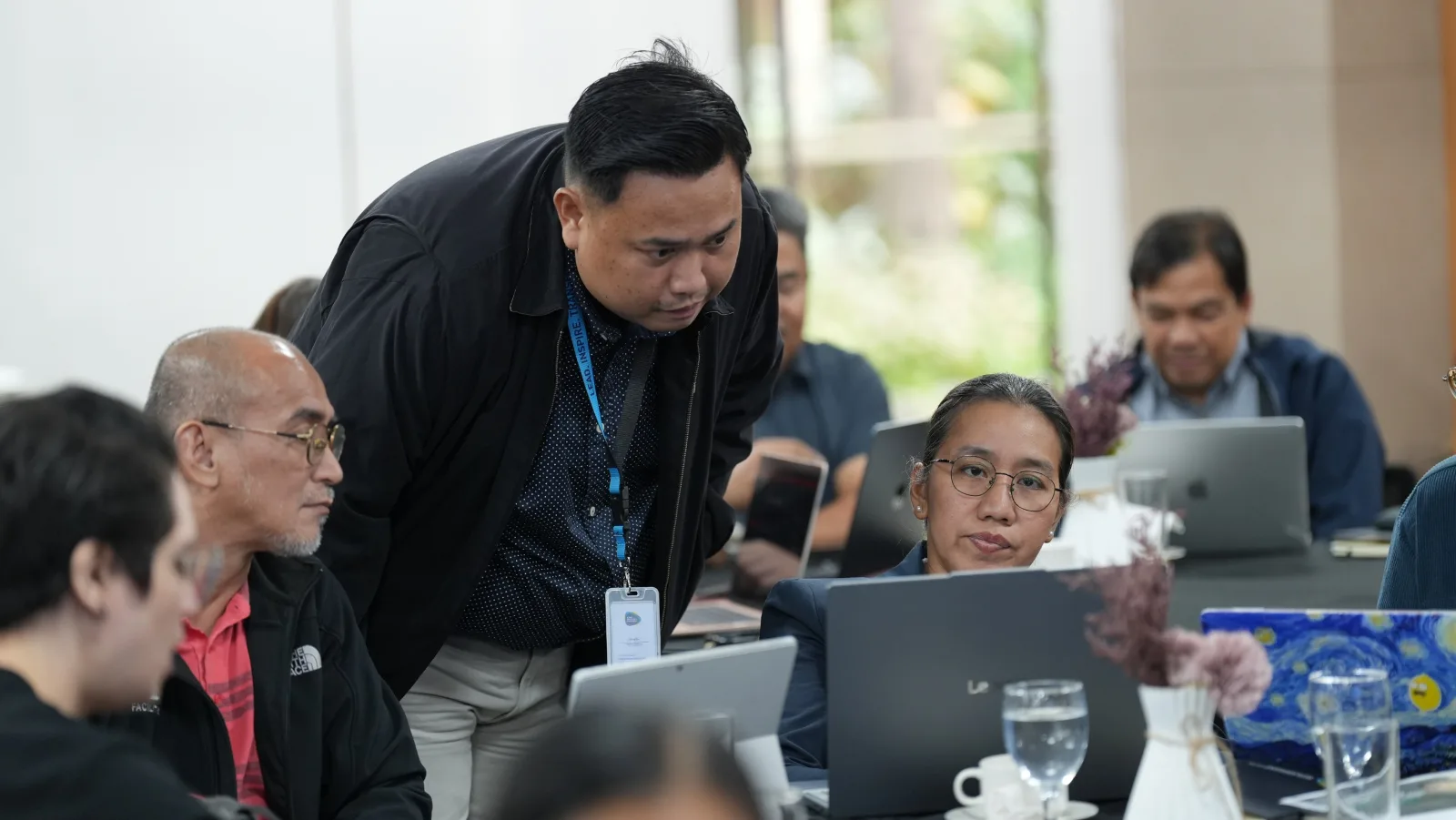
The event continued with an Operational Intelligence Workshop led by the CrisisOps team, centered on coordinated action and decision-making under crisis conditions. Participants actively engaged in discussions, shared operational challenges from their respective organizations, and explored practical approaches to transforming fragmented information into actionable intelligence for more informed and coordinated response.
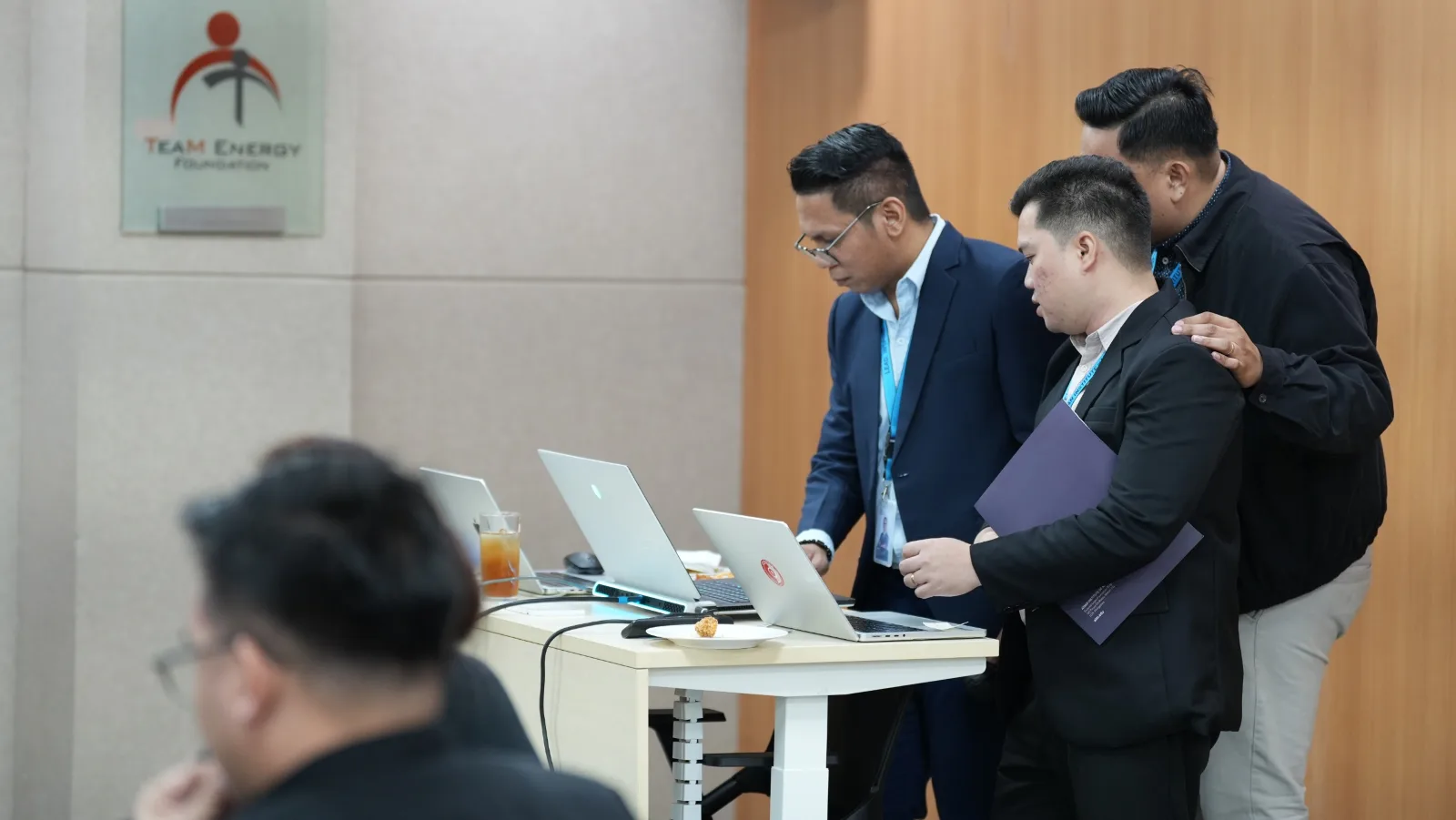
The event concluded with discussions on workshop outputs and partnership opportunities, followed by the awarding of AIM-SEELL Certificates of Attendance. Marianne Agustin, Business Development Director of AIM-SEELL, delivered the closing remarks, bringing the workshop to a close and reinforcing the importance of continued collaboration in advancing innovation, executive education, and disaster resilience.
The participation of government agencies, LGUs, emergency management stakeholders, academic institutions, and private-sector organizations underscored the need for stronger collaboration in addressing increasingly complex disaster and crisis environments.
The workshop highlighted a broader shift in disaster management: from simply collecting information toward building systems that provide clarity, coordination, and decision advantage when emergencies unfold.
Through the collaboration of CrisisOps, AIM-DBI, and AIM-SEELL, the event provided a platform for disaster and crisis leaders to explore how AI and Operational Intelligence can contribute to smarter, more coordinated, and more resilient communities.
Topics
Share this story
About CrisisOps
CrisisOps is a Physical AI platform for climate resilience, helping governments, communities, critical infrastructure operators and organizations understand changing physical conditions and act with confidence.
Media inquiries: media@crisisops.ai
Related stories
All stories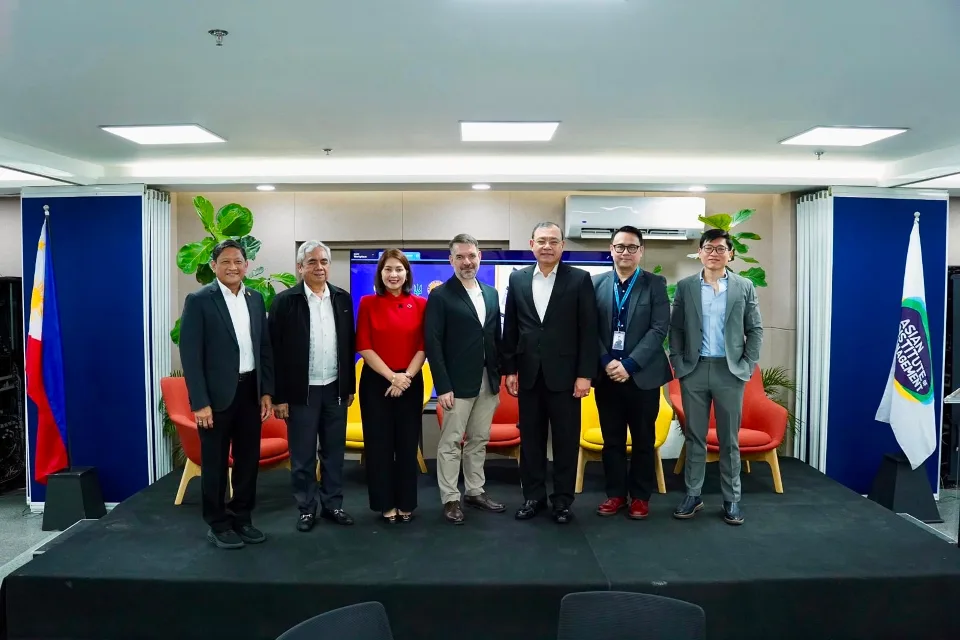
Events
CrisisOps advances Operational Intelligence vision for stronger Philippine civil defense
CrisisOps presented Operational Intelligence as a framework for turning critical disaster information into coordinated action and stronger resilience.
2 min read
Company News
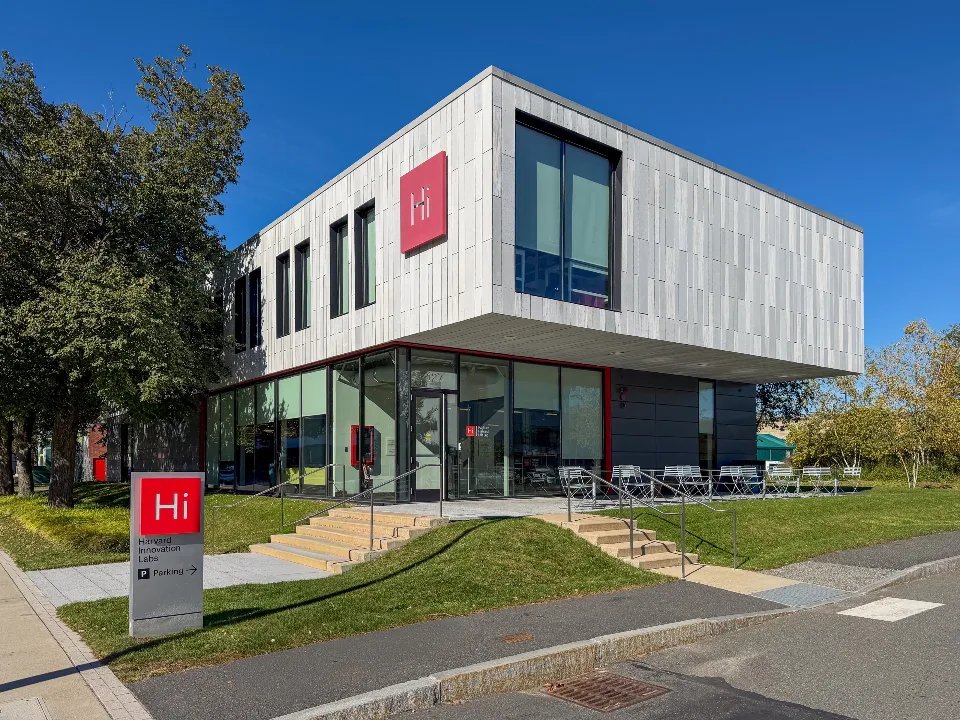
CrisisOps takes climate technology to Harvard Innovation Labs
CrisisOps has been selected for the 2026–27 Harvard Climate Entrepreneurs Circle, expanding its engagement in global climate innovation. The program will support the venture’s work in disaster management, climate adaptation, and resilience.
3 min read

Research & Insights
What Makes a Disaster Response System Operational?
Exploring how connected information, shared situational awareness, and coordinated workflows help turn disaster data into actionable decisions.
2 min read