
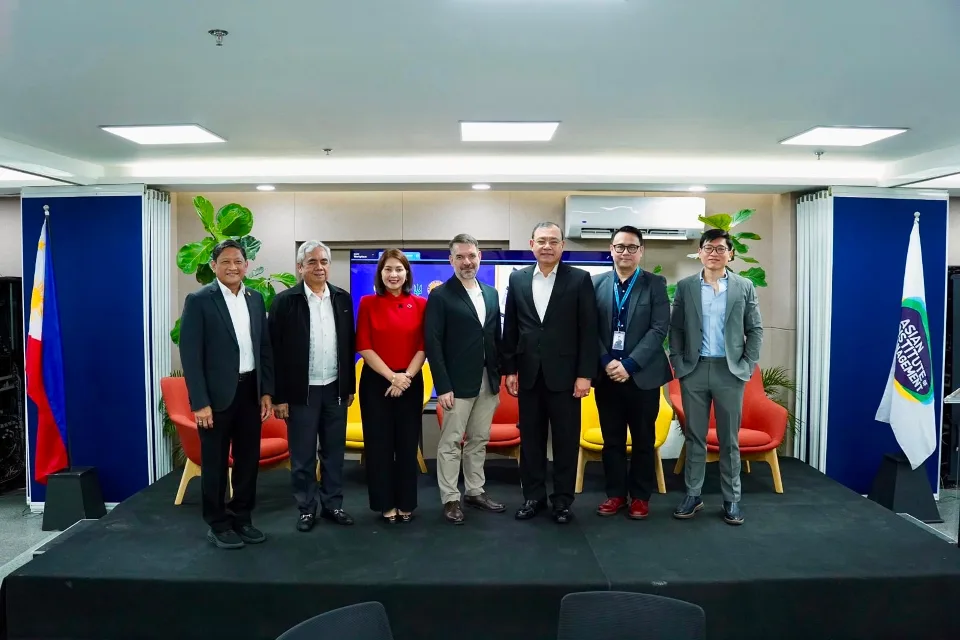
The transition from raw information to coordinated action and stronger resilience took center stage at BEYOND DISASTERS: A Whole-of-Society Strategy for Philippine Civil Defense. The forum was held on July 10, 2026, at the TeaM Energy Bridging Leadership Hall inside the Asian Institute of Management (AIM) campus, hosted by the Stephen Zuellig Graduate School of Development Management.
During the event, Gil Orense, Co-Founder and CEO of CrisisOps, presented a framework titled, "Operational Intelligence: Enabling the Next Frontier of Philippine Civil Defense."
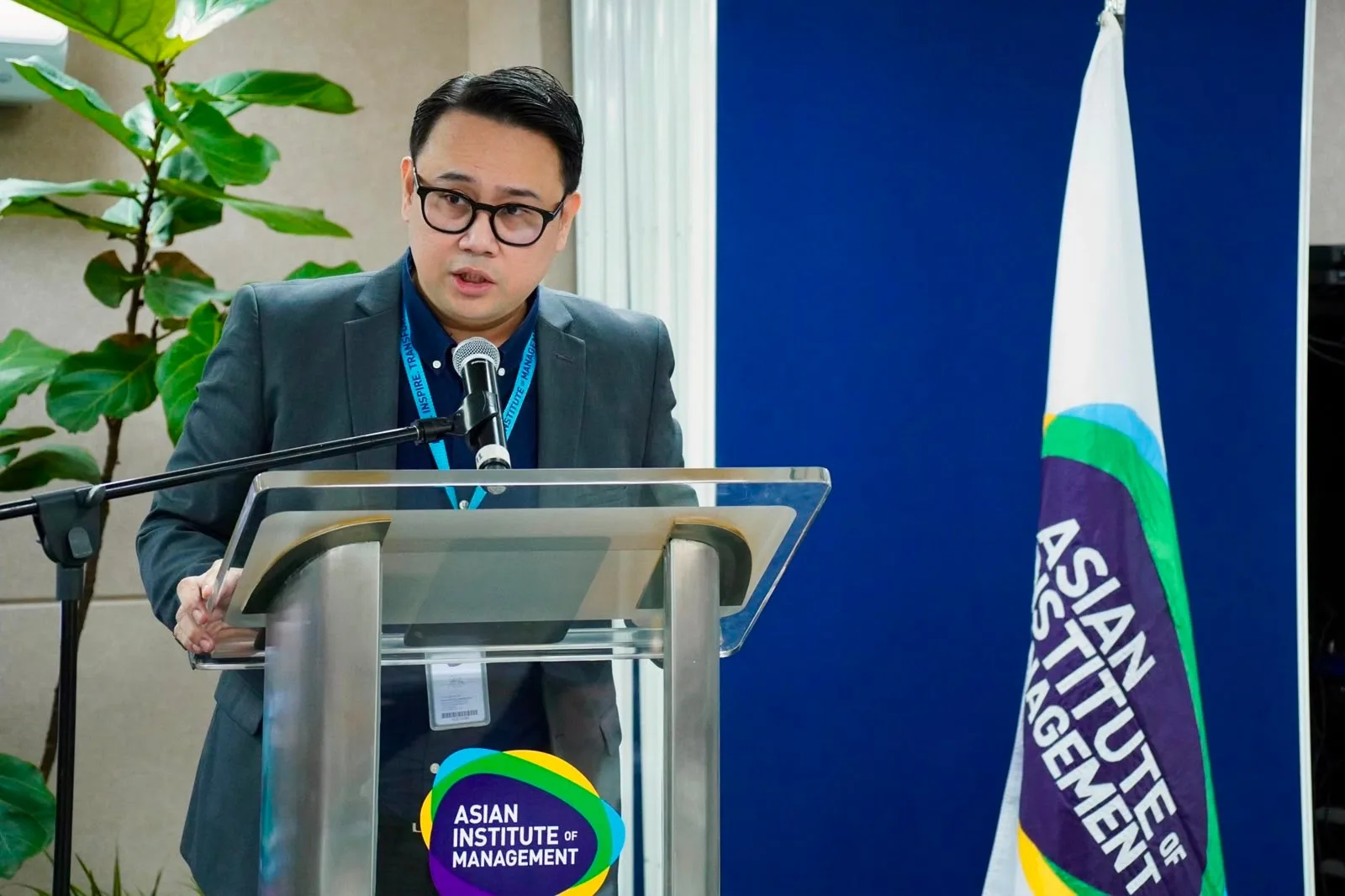
Orense’s message was clear: the primary challenge in disaster risk reduction is no longer simply accessing information. Instead, the critical focus has shifted toward transforming weather forecasts, hazard data, satellite imagery, field reports, emergency calls, and operational updates into decisions that are timely, coordinated, and actionable.
Operational Intelligence aims to synthesize these disparate information sources, supported by artificial intelligence, analytics, mathematical modeling, geospatial technology, and operational expertise. According to Orense, this integration allows leaders to identify emerging risks, anticipate community needs, pre-position resources, assess evacuation capacity, and seamlessly coordinate agencies through a shared operational picture.
Despite the focus on advanced systems, the presentation emphasized that technology is not the decision-maker. Leadership, experience, accountability, and judgment will always remain human responsibilities, with technology serving to strengthen—not replace—these capabilities.
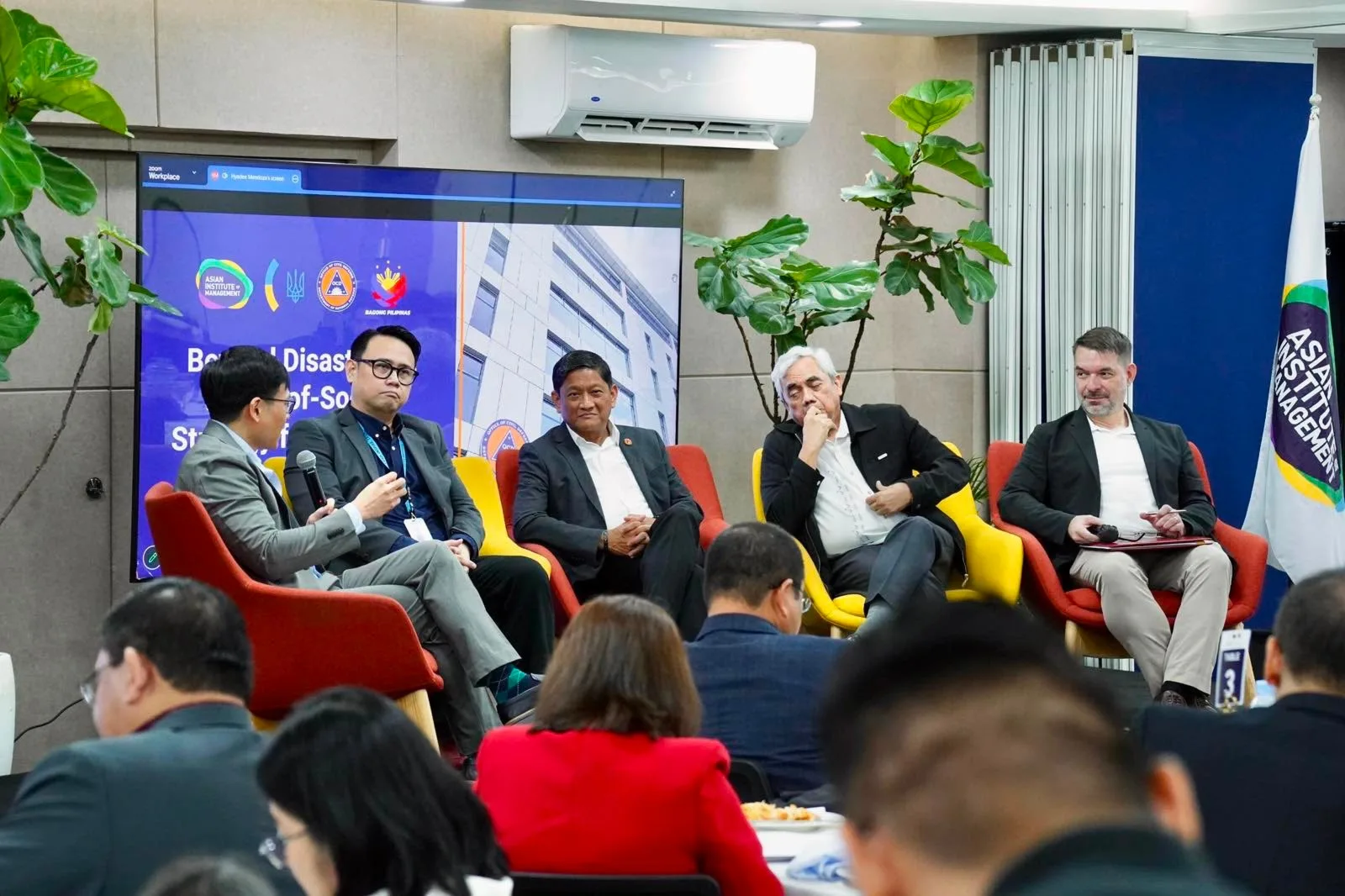
The forum featured a distinguished roster of guest speakers representing government, industry, and international defense strategies. Joining Orense were Usec. Harold N. Cabreros and Dir. Eugenio A. Gepte Jr. from the Office of Civil Defense; ADM Alexander Pama (Ret), Co-Chair of the Board of Directors for ARISE Philippines; and Liubov Tsybulska, Founder and Director of the Ukraine Centre for Strategic Communication and Information Security (under Ukraine's Ministry of Culture).
Discussions throughout the forum reinforced the importance of robust collaboration among government, academia, industry, development partners, responders, and local communities. Through this whole-of-society approach, stakeholders noted that the Philippines has a unique opportunity not only to adopt world-class technologies but to build solutions designed by Filipinos, tailored to the specific realities of Filipino communities.
CrisisOps reaffirmed its commitment to supporting this vision through Filipino-built Operational Intelligence capabilities, aiming to help institutions become more connected, informed, coordinated, and prepared for the challenges ahead. As the forum concluded, the overarching takeaway remained: stronger decisions today will help build a safer and more resilient tomorrow.
Topics
Share this story
About CrisisOps
CrisisOps is a Physical AI platform for climate resilience, helping governments, communities, critical infrastructure operators and organizations understand changing physical conditions and act with confidence.
Media inquiries: media@crisisops.ai
Related stories
All stories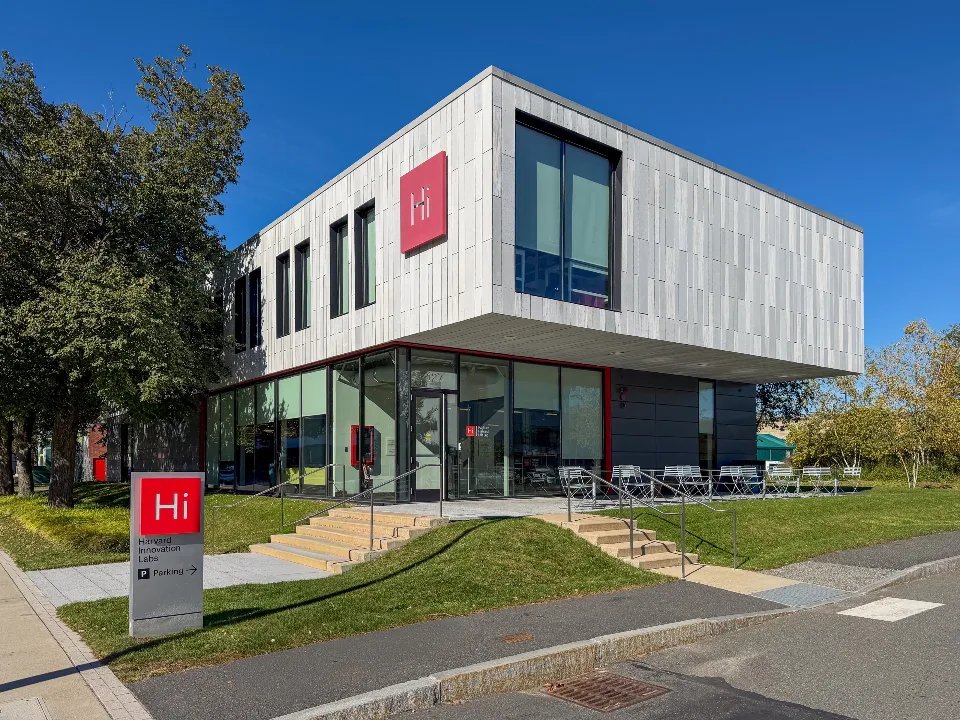
Company News
CrisisOps takes climate technology to Harvard Innovation Labs
CrisisOps has been selected for the 2026–27 Harvard Climate Entrepreneurs Circle, expanding its engagement in global climate innovation. The program will support the venture’s work in disaster management, climate adaptation, and resilience.
3 min read
Events
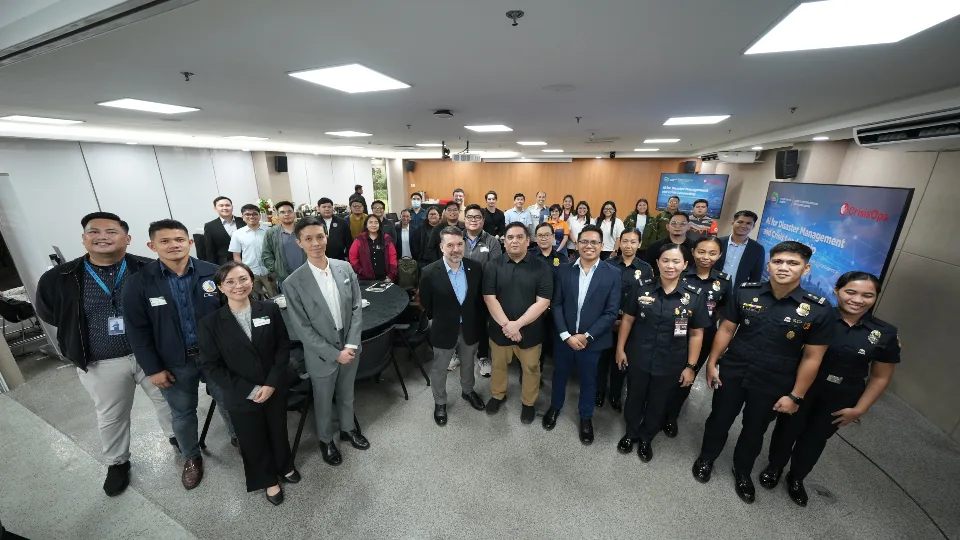
CrisisOps and Asian Institute of Management advance AI-driven disaster resilience
CrisisOps and AIM convened 75 disaster and crisis management stakeholders to explore AI and Operational Intelligence. The workshop focused on strengthening situational awareness, coordination, and crisis decision-making.
3 min read
Events
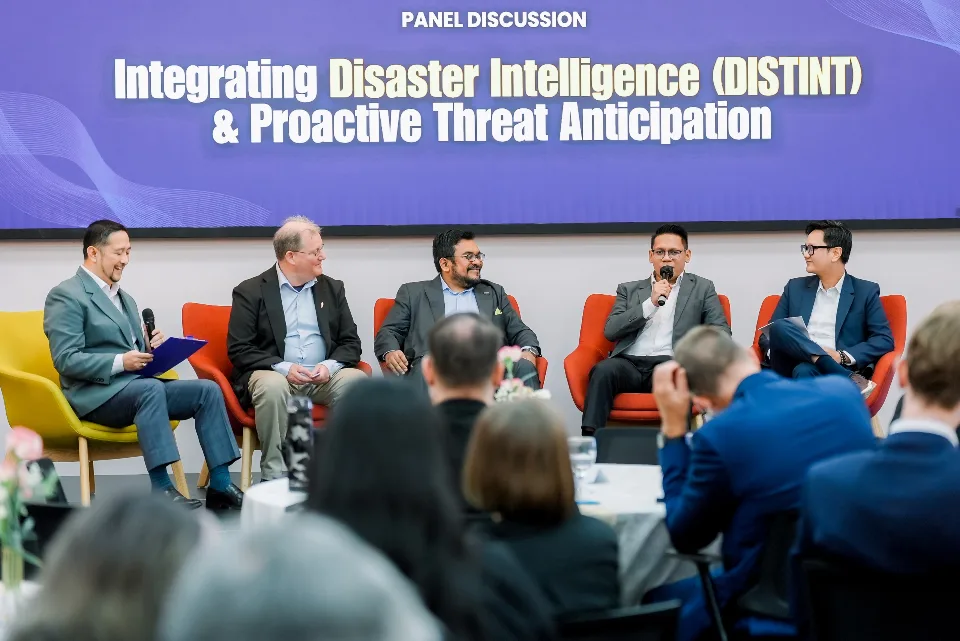
Total Defense forum puts proactive disaster intelligence at the center of resilience
The Total Defense forum at the Asian Institute of Management brought together experts to examine how intelligence, collaboration, and anticipatory action can strengthen resilience. CrisisOps COO and Co-Founder James Dumbrique joined Panel 2 to discuss the role of disaster intelligence in supporting earlier, more informed decisions.
3 min read