
On this page
As geopolitical tensions reshape the global security landscape, countries are placing greater importance on securing essential resources. Strategic stockpiling has become a key part of national preparedness, with governments looking beyond military defense to protect the supplies and infrastructure that keep economies and communities functioning.
The growing focus on stockpiling reflects concerns that international conflicts can disrupt far more than the countries directly involved. Shipping routes, energy infrastructure, trade restrictions, and access to critical materials can all be affected, creating shortages and price increases across international markets.
The World Economic Forum's Global Risks Report 2026 identifies geo-economic confrontation and state-based armed conflict among the major global risks. These concerns have encouraged governments to strengthen their reserves of energy products, food, metals, and critical minerals to protect their economies against potential supply disruptions.
Why countries are building strategic reserves
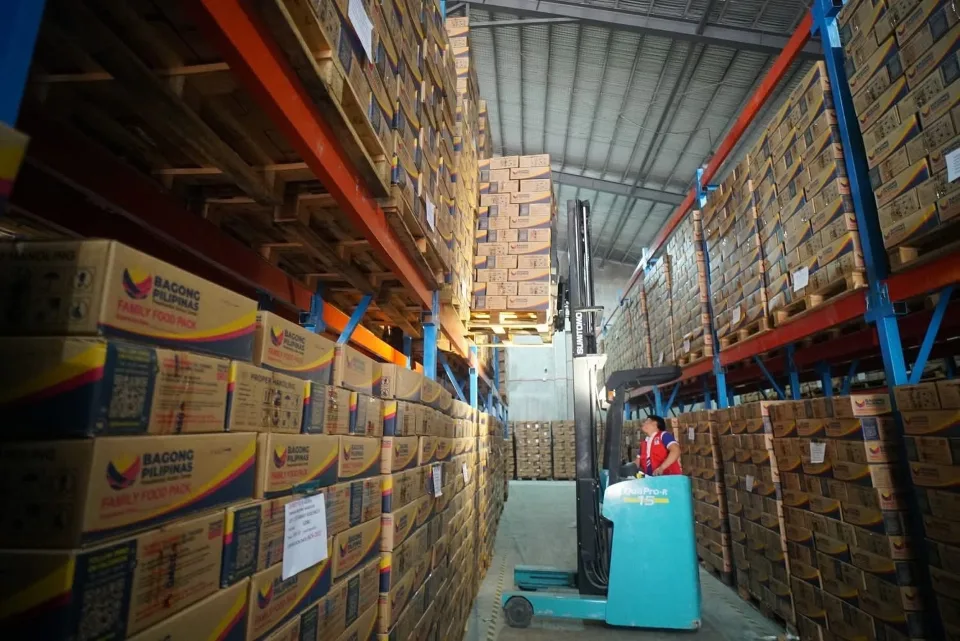
Governments are increasingly treating essential resources as matters of national security. Fuel and energy reserves help maintain transportation, electricity generation, and essential services, while food and agricultural supplies protect communities against shortages caused by trade disruptions. Medical supplies, including medicines and protective equipment, help sustain healthcare operations, while critical minerals support industries responsible for electronics, batteries, communications, and defense technologies. Military equipment, ammunition, and emergency supplies also help governments sustain operations during prolonged crises.
These reserves provide governments with additional time and flexibility when international supply networks are disrupted. However, maintaining sufficient stockpiles also requires effective storage systems, resource management, distribution networks, and contingency planning.
The Philippines is also strengthening its reserves
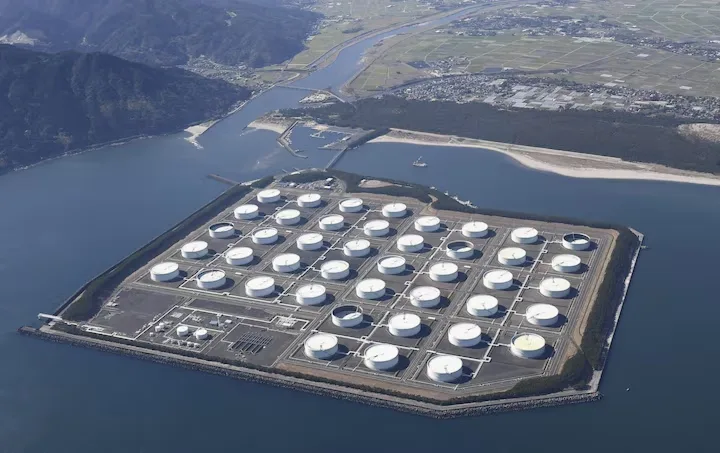
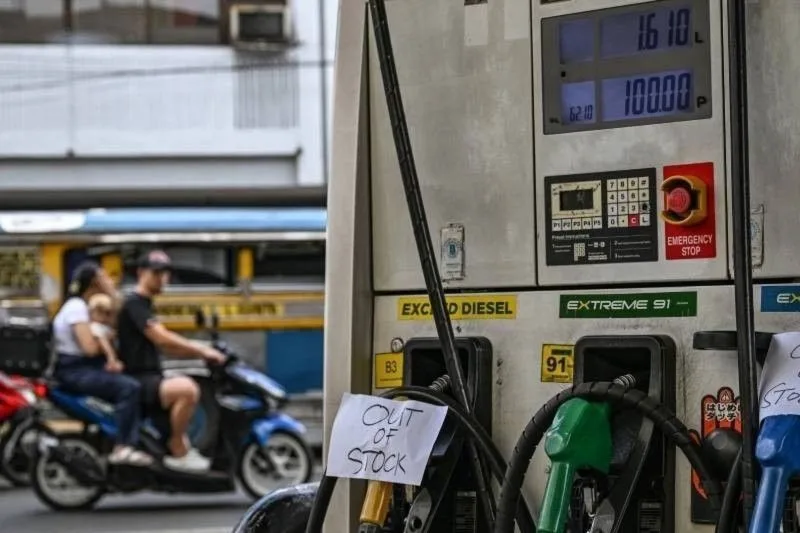
The Philippines is among the countries taking steps to improve its resource security. On October 28, 2026, Reuters reported that the Philippine government was negotiating oil-storage arrangements with Saudi Arabia, Russia, the United States, Japan, Kuwait, the United Arab Emirates, and Australia. The country also plans to establish its first government-owned strategic oil storage facility in Bataan in 2027.
According to Energy Secretary Sharon Garin, the Philippines aims to expand its strategic reserves to cover 60 days of fuel requirements. Existing fuel inventories were reported at 55 days, above the 15-day minimum requirement. These measures reflect the country's efforts to reduce its exposure to international supply disruptions and strengthen energy security.
At the regional level, ASEAN countries have also discussed a proposed regional fuel stockpile and standby food security arrangements to help member states respond to prolonged supply disruptions. Such initiatives highlight the importance of regional cooperation in protecting essential resources and maintaining economic stability.
Preparedness beyond stockpiling
While strategic reserves provide an important buffer, stockpiling alone cannot guarantee national resilience. Governments must also understand where resources are located, how quickly they can be distributed, which communities and facilities need them most, and how essential services can continue when normal supply networks are interrupted.
This requires reliable information, coordinated logistics, infrastructure monitoring, and the ability to anticipate emerging risks before they escalate. Operational intelligence can help connect information across agencies, resources, and response operations, allowing decision-makers to improve situational awareness and coordinate more effectively during complex emergencies.
As global uncertainty continues to shape national security and economic priorities, preparedness must extend beyond responding to emergencies. It must also involve anticipating disruptions, securing essential resources, and ensuring that critical systems remain operational when they are needed most.
CrisisOps supports a more prepared and resilient future through AI-powered operational intelligence, helping decision-makers connect critical information, anticipate risks, and coordinate action across complex operating environments.
Topics
Share this story
About CrisisOps
CrisisOps is a Physical AI platform for climate resilience, helping governments, communities, critical infrastructure operators and organizations understand changing physical conditions and act with confidence.
Media inquiries: media@crisisops.ai
Related stories
All stories
Operational Intelligence
El Niño Risks Rise When Disaster Information Falls Short
Discover how operational intelligence helps connect fragmented data, improve coordination, and strengthen El Niño preparedness.
1 min read
Research & Insights
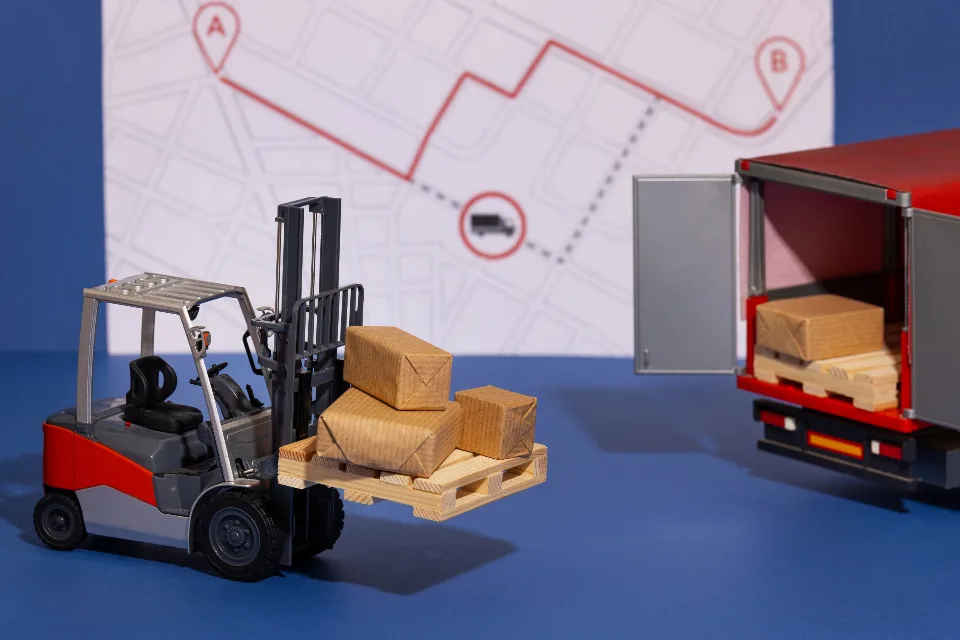
Why disaster preparedness must include supply chain resilience
Disasters can disrupt the movement of essential goods, leaving vulnerable communities without timely access to food, medicine, and emergency supplies. Strengthening supply chain resilience through strategic stockpiling, real-time monitoring, and coordinated logistics helps governments maintain essential services and deliver assistance when it matters most.
1 min read
Press Release
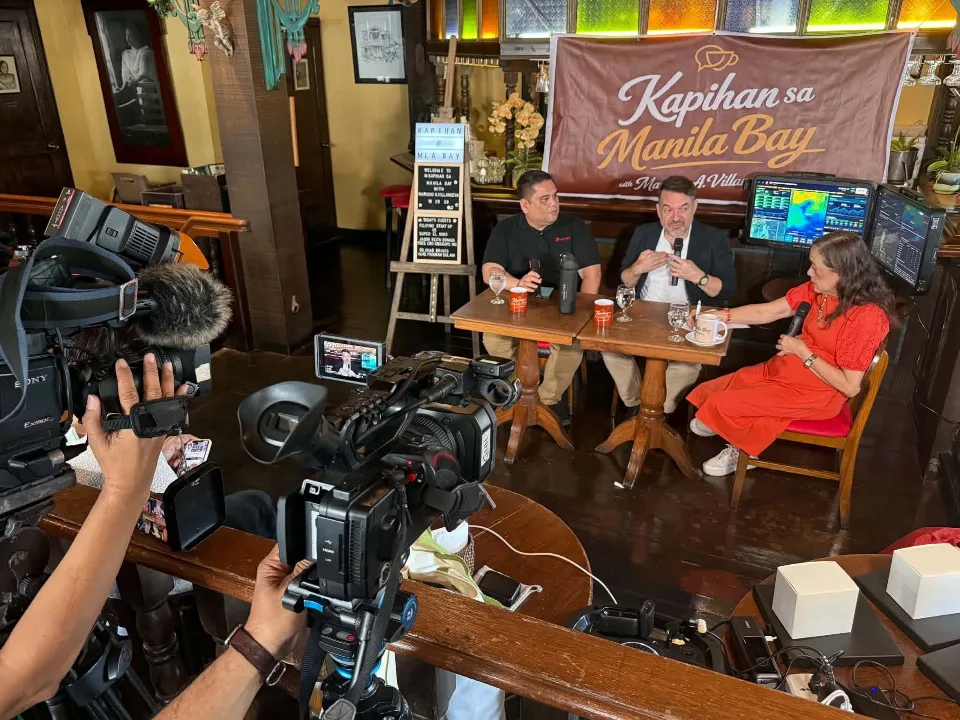
How Physical AI Is Helping Philippine LGUs Allocate Lifelines Before Super El Niño Hits
At Kapihan sa Manila Bay, CrisisOps and AIM leaders presented an operational roadmap using Physical AI and Operational Intelligence Networks to help Philippine LGUs navigate the 2026–2027 Super El Niño. Currently deployed across 40 LGUs and two national agencies, the technology bridges climate forecasts with real-time field data to prioritize critical water and energy distribution, mitigate infras
2 min read